

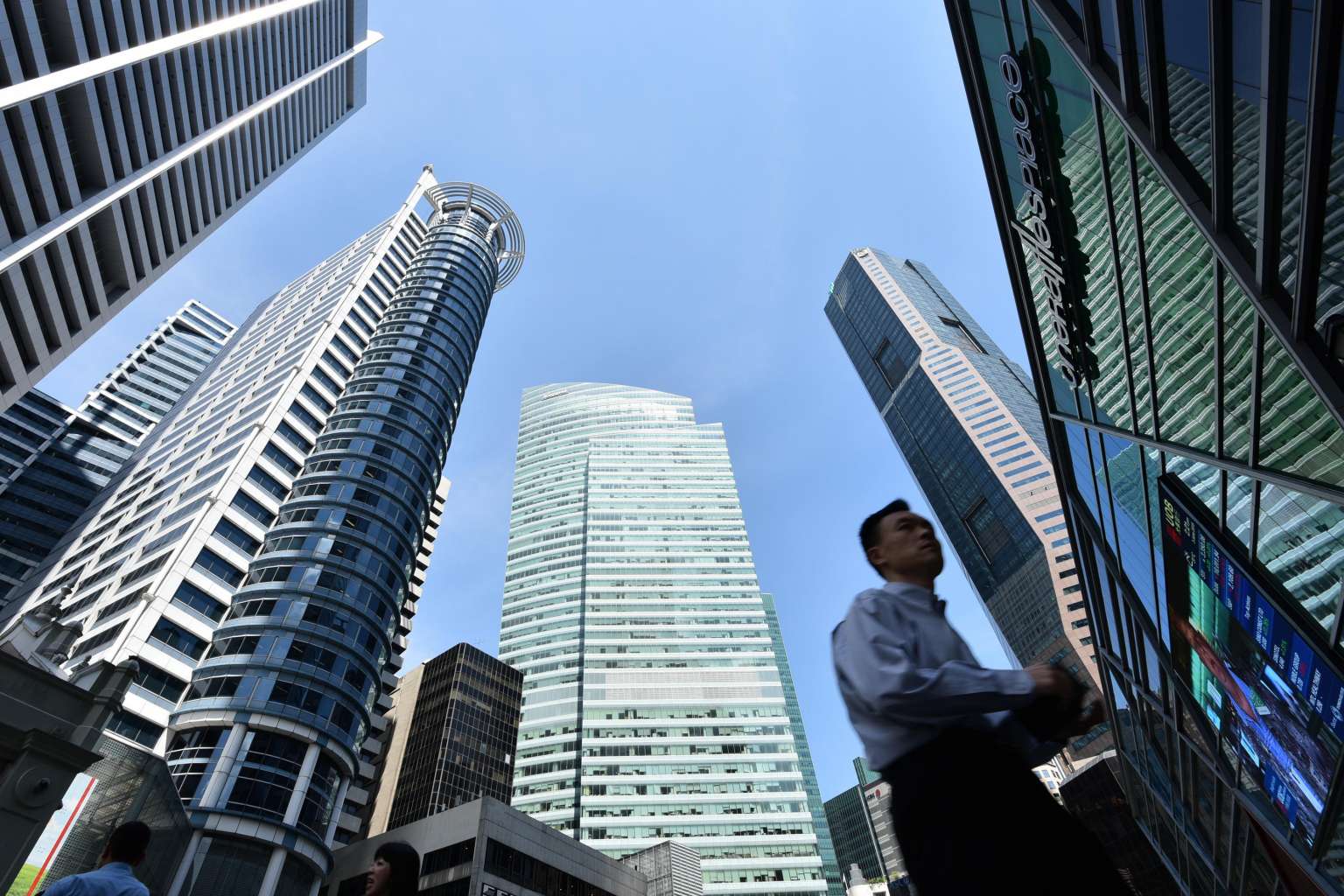
Singapore’s reputation as a global financial hub often overshadows its rapidly evolving tech startup scene. While the city-state is home to giants like Grab and Sea Limited, a thriving underground of niche tech startups is quietly reshaping industries through innovation. This article uncovers the hidden dynamics of singapore businesses ‘s lesser-known tech ecosystem, analyzing its growth, challenges, and the unconventional strategies that set it apart.
The Rise of the “Unicorn-Lite” Startups
Conventional wisdom suggests that Singapore’s tech scene is dominated by unicorns—companies valued at over $1 billion. However, a more nuanced picture emerges when examining the “unicorn-lite” segment: startups valued between $100 million and $1 billion. According to a 2023 report by the Singapore Economic Development Board (EDB), this segment now accounts for 32% of all tech startups, a 25% increase from 2021. These companies are often overlooked in mainstream discussions but represent the backbone of Singapore’s innovation economy.
What sets these unicorn-lites apart is their focus on hyper-specialized markets. Unlike generalist unicorns, they target niche industries such as:
- AI-driven supply chain optimization for micro-manufacturers
- Blockchain-based identity verification for gig workers
- Neuromorphic computing for edge devices in healthcare
These startups leverage Singapore’s strong IP ecosystem and government grants to scale rapidly, often bypassing the need for massive venture capital rounds.
Government Grants as a Double-Edged Sword
Singapore’s aggressive grant programs, such as the Productivity Solutions Grant (PSG) and the Startup SG Fund, have been instrumental in fueling this growth. In 2023 alone, the EDB disbursed $1.2 billion in grants to tech startups, a 18% increase from the previous year. However, this dependency has created a paradox: while grants accelerate growth, they also distort market dynamics.
Data from the Infocomm Media Development Authority (IMDA) reveals that 42% of startups receiving grants are in the “AI and automation” sector, despite only 25% of all tech startups operating in this space. This overconcentration raises concerns about oversaturation and reduced differentiation. The EDB has since introduced tiered grant structures to mitigate this risk, but the initial boom has left many startups struggling to pivot away from their original grant-funded models.
The Dark Side of the Grant Economy
The grant-driven model has led to a troubling trend: startups prioritizing grant compliance over long-term sustainability. A 2023 survey by the National University of Singapore’s Enterprise Development Centre found that 68% of grant-dependent startups had delayed product launches to meet reporting requirements. This has created a “grant trap,” where companies spend more time on paperwork than innovation.
To address this, the Singapore government has introduced mandatory “grant exit clauses” for startups. However, the transition period has been fraught with challenges. For example:
- 15% of startups exited the grant program but failed to secure alternative funding
- 28% of former grantees reported reduced revenue due to the shift in focus
- Only 32% successfully transitioned to a self-sustaining revenue model
These statistics highlight the need for a more nuanced approach to grant administration, one that balances support with accountability.
Emerging Trends: The Rise of the “Solo Founder” Startup
Contrary to the conventional wisdom that startups require teams of 5+ founders, Singapore’s tech scene is increasingly dominated by solo entrepreneurs. According to a 2023 study by the Singapore Management University, solo founders now represent 45% of all tech startups, up from 28% in 2020. This trend is particularly pronounced in the AI and fintech sectors, where the ability to move quickly is valued over traditional team structures.
The advantages of solo entrepreneurship in Singapore are manifold:
- Lower operational costs
- Faster decision-making
- Greater flexibility in pivoting
However, the challenges are significant. A 2023 survey by the Singapore Computer Society found that 72% of solo founders lacked access to mentorship networks, and 61% reported feeling isolated in their entrepreneurial journey. To address this, initiatives like the “Founder’s Circle” program have been launched, but adoption remains low.
Conclusion: The Future of Singapore’s Tech Ecosystem
Singapore’s tech startup scene is at a crossroads. While the government’s aggressive grant programs have fueled rapid growth, the long-term sustainability of this model remains uncertain. The rise of unicorn-lites and solo founders suggests a more diversified and resilient ecosystem is emerging, but challenges persist. The key to Singapore’s future lies in balancing aggressive support with accountability, ensuring that innovation remains the primary focus rather than compliance.
As the city-state continues to evolve, the hidden dynamics of its tech startup ecosystem will play a crucial role in shaping its global competitiveness. By addressing the grant trap and supporting solo founders, Singapore can foster an environment where innovation thrives without the constraints of bureaucratic red tape.


Leave a Reply