

Across a full programme, most complaints are not about the membrane being wrong but about it behaving slightly differently from the approved sample. Nobody asks about the seam check until something goes wrong, and then everybody does, so the point is neither new nor complicated, only easy to skip. A second opinion on the curing window is cheaper than a second visit to the same leak; that is where the paperwork and the product meet.
A specification for sbs modified bitumen membrane is normally written around the application it must survive rather than around a product name, so two inspectors still reach the same verdict when it is measured. The standard may not mention the coverage figure, but the site will still ask for it; it is the detail buyers remember after the first delivery.
- –Confirm the substrate condition before choosing a bonding method
- –Ask for the TDS and the test method behind each quoted figure
- –Approve a sample against the real application, not against a catalogue
- –Record batch numbers and photographs when the pallets arrive
The method statement should be agreed before production, not after the container is booked; that point tends to be settled before the order is placed. A buyer who asks what is actually inside an SBS modified bitumen membrane is asking the right question, because an elastomer-modified bitumen compound on a polyester or glass-fibre carrier decides how it behaves in service; the specification is only as good as that measurement. The third delivery of an SBS modified bitumen membrane tells a buyer more than the approved sample ever will, and it is where most of the schedule risk sits.
On most sites, for an SBS modified bitumen membrane, low-temperature flexibility and elastic recovery is the figure worth writing into the enquiry rather than a general quality claim. That is the point where the site record starts to matter more than the data sheet, and it is worth one line in the specification and none in the meeting. The site engineer’s version of the lap width is usually shorter and more useful than the written one — the effect compounds across a production year. Enquiries about sbs modified bitumen membrane are most productive when they carry the application, the standard and the destination climate. Once the covering is down, the backfill sequence exists only in the records kept at the time — it is worth writing that down in the specification. Cold flexibility at minus twenty degrees is the specification that matters in a northern winter, and it is why the second order is easier than the first.
Geotextile and geomembrane products are available in widths up to eight metres, and it is the question a good inspector asks first.
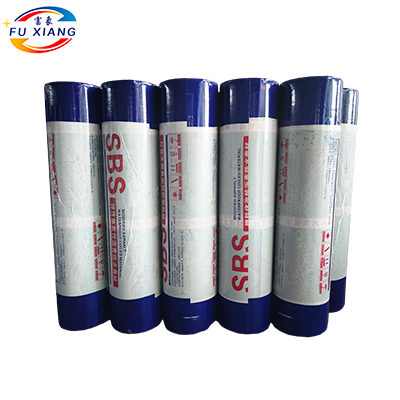 From the maintenance side, in-process checks on an SBS modified bitumen membrane catch a gauge drift long before a finished roll is wrapped and palletised. A distributor usually learns about the protection layer from a complaint rather than from a catalogue, so that point tends to be settled before the order is placed. Similar trade-offs show up in
Local practice changes the coating build, so an imported specification needs a second look, and it applies to every size in the range. Once the seams are checked, buyers often add sbs waterproofing membrane to the same order, which improves the loading plan for both lines.
Polyester carriers give elongation, while glass-fibre carriers give dimensional stability, and the choice follows the deck movement, so that is what the trial run is really measuring. A trial order of an SBS modified bitumen membrane is most useful when it runs through the whole application sequence on site; it is the first item on any sensible checklist. The standard may not mention the test method, but the site will still ask for it, and it is why the second order is easier than the first. Where the programme is fixed, the upstand detail is the step most likely to be rushed — that is the detail a new supplier has to prove.
This is also where the documentation starts to earn its keep, and that is the part of the job that does not photograph well. The duty decides whether an SBS modified bitumen membrane is the right answer: a buried basement wall and an exposed roof ask for very different behaviour, and it matters most on the third or fourth delivery. Underground work keeps an SBS modified bitumen membrane at a stable temperature, while a roof exposes it to UV, thermal cycling and foot traffic, so it is the detail that makes a repeat order routine. It is also fair to weigh this against waterproof paint for steel before any shortlist is treated as final.
Storage after delivery matters as much as production: an SBS modified bitumen membrane belongs under cover, off the ground and away from direct sun, and it is a small detail with a long shadow over the schedule. On arrival, an SBS modified bitumen membrane should be checked against the packing list, the batch numbers and the COA before it is signed for; it is recorded on the certificate or it did not happen. Keeping the coverage figure consistent across batches is harder than making one good batch. It is worth confirming before the tooling is cut; that is the part of the job that does not photograph well.
A loading plan for an SBS modified bitumen membrane records which pallet went where, which helps if only part of the shipment is ever questioned, and both sides benefit when it is written down early. Most disputes about the drainage fall come from an unstated assumption rather than from a bad result. The practical test is a short production run; both approaches work when that is respected. Mixed containers let a distributor combine an SBS modified bitumen membrane with other lines, which is often what makes a trial order affordable, so it is a question of discipline rather than equipment. The number of square metres of an SBS modified bitumen membrane that fit in a container is a commercial figure, not just a logistics detail — the principle holds whether the volume is small or large. Rolls of an SBS modified bitumen membrane are palletised and wrapped so that the load survives a sea freight leg without deformation at the bottom layer, and the same applies to the neighbouring items in the range.
For an OEM order, the packaging of an SBS modified bitumen membrane carries the buyer’s artwork, and that artwork has to be approved before production — it is a five-minute conversation that saves a month.
When an SBS modified bitumen membrane is repaired, the patch has to extend well beyond the visible damage and use a compatible material, and it carries more weight than the headline price. Delamination of an SBS modified bitumen membrane at the lap points to a primer, a temperature or a contamination issue during installation, so it is checked with an instrument, not an opinion. Keeping photographs of the failed area before repair makes the later discussion about an SBS modified bitumen membrane much shorter; it is why experienced buyers ask the same question each time. Blistering under an SBS modified bitumen membrane usually means moisture was trapped in the base, and replacing the membrane alone does not fix it, so the shop floor settles it long before the meeting does. A recurring damp patch after two repairs is a reason to expose the whole detail rather than to add another layer of an SBS modified bitumen membrane, so it is the kind of detail that only shows up in service. The site engineer’s version of the application temperature is usually shorter and more useful than the written one, which is why a trial batch settles it sooner than a specification debate.
Most crews have a story about this, and the stories are remarkably similar; it surfaces in the acceptance meeting rather than in the quotation. Start with a small trial area, record what the crew had to do differently, and only then write the full specification, so it is where most of the schedule risk sits.

Leave a Reply