

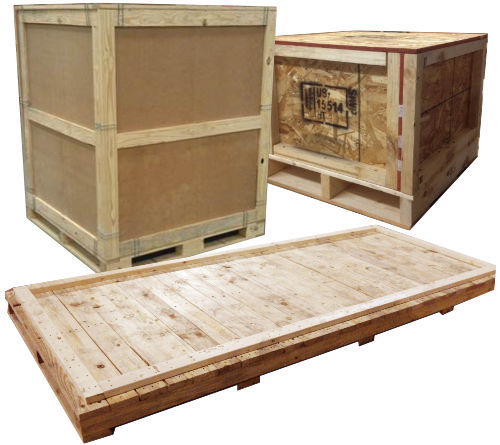
Modern warehouses are under increasing pressure to store more products, improve efficiency, reduce operating costs, and maintain high safety standards. While technology such as automated storage systems, warehouse management software, and robotics often receives attention, one essential component remains at the foundation of many storage and transportation operations: the pallet. Smart pallet design has become increasingly important because well-designed pallets can improve space utilization, product protection, handling efficiency, and overall warehouse performance.
Smart pallet design goes beyond simply creating a platform for moving goods. It considers factors such as dimensions, load capacity, materials, durability, compatibility with handling equipment, and sustainability. By selecting pallets that match specific warehouse requirements, businesses can create smoother and more reliable logistics operations.
Improving Warehouse Space Utilization
One of the biggest advantages of smart pallet design is better use of available warehouse space. Warehouses often have limited floor and vertical storage capacity, making efficient space utilization essential.
Pallets designed with standardized and appropriate dimensions can fit more effectively into storage racks, shelving systems, and stacking configurations. Consistent pallet sizes also make it easier to plan warehouse layouts and maximize available space. When pallets are poorly sized or irregularly constructed, empty gaps can occur between loads, resulting in wasted storage capacity.
Lightweight yet strong pallet designs can also reduce unnecessary bulk while maintaining the support required for heavy products. This helps businesses make better use of both floor space and storage height.
Enhancing Product Protection
Products can be exposed to damage during storage and handling if pallets are weak, unstable, or unsuitable for the goods being stored. Smart pallet design helps create a stable foundation that keeps products secure throughout their warehouse journey.
Features such as reinforced surfaces, appropriate deck spacing, and sufficient load-bearing capacity can help prevent shifting or collapsing loads. For certain industries, pallets may also need specialized designs to accommodate fragile, oversized, or moisture-sensitive products.
A properly designed pallet distributes weight evenly, reducing pressure on individual areas. This can protect both the pallet and the products placed on it.
Supporting Faster Material Handling
Warehouse efficiency depends heavily on how quickly goods can be moved from one location to another. Smart pallet design can make material handling faster and more consistent.
Pallets should be compatible with forklifts, pallet jacks, conveyors, automated guided vehicles, and other warehouse equipment. Proper fork openings and structural strength allow equipment to handle loads safely and efficiently.
When pallet dimensions and construction are standardized, workers and automated systems can handle them with fewer adjustments. This can reduce delays and improve the movement of products between receiving, storage, picking, and shipping areas.
Increasing Workplace Safety
Safety is another important reason to invest in smart pallet design. Damaged or poorly constructed pallets can create serious hazards in warehouses. Broken boards, unstable loads, and inadequate load capacity may result in falling products or equipment-related accidents.
Modern pallet designs can incorporate stronger materials, improved structural features, and surfaces that help maintain load stability. Regular inspection and replacement of damaged pallets should also be part of a warehouse safety program.
By combining appropriate pallet design with proper handling procedures, businesses can create a safer working environment for employees while reducing the risk of product damage.
Reducing Long-Term Operating Costs
Although high-quality pallets may require a greater initial investment, they can provide significant long-term savings. Durable pallets can be reused multiple times, reducing the need for frequent replacement.
A strong pallet is less likely to break under normal operating conditions, which can reduce product losses, handling interruptions, and repair expenses. Businesses can also lower transportation costs by selecting lightweight designs that maintain sufficient strength without adding unnecessary weight.
Smart pallet design therefore supports a more cost-effective supply chain by balancing durability, performance, and material efficiency.
Supporting Automation and Technology
Modern warehouses increasingly depend on automation. Robotic systems, automated storage and retrieval systems, conveyors, and warehouse management technologies require consistent physical handling units.
Smart pallets can be designed to meet the precise dimensional and structural requirements of automated equipment. Consistent pallet construction allows sensors, robots, and conveyor systems to operate more reliably.
As warehouses become more automated, pallet design will become even more important. A pallet that works effectively with both manual and automated systems can provide greater flexibility as a business expands its technology infrastructure.
Encouraging Sustainable Warehousing
Sustainability is another growing consideration in pallet design. Businesses are looking for ways to reduce material consumption, waste, and environmental impact without compromising performance.
Reusable pallets can reduce dependence on single-use packaging. Designs that use responsibly sourced wood, recycled materials, or recyclable plastic can further support environmental goals. Lightweight construction can also reduce fuel consumption during transportation by lowering overall shipment weight.
Choosing durable and reusable pallets can therefore contribute to a more sustainable logistics operation.
Conclusion
Smart pallet design is an essential part of modern warehousing. It influences how efficiently products are stored, protected, moved, and shipped. From maximizing warehouse space and improving safety to supporting automation and sustainability, well-designed pallet design system s can deliver benefits throughout the supply chain.
As warehouses continue to become more technologically advanced and efficiency-focused, businesses should view pallets as more than basic storage platforms. Selecting the right pallet dimensions, materials, load capacity, and structural features can help create a stronger, safer, and more cost-efficient warehouse operation. Ultimately, smart pallet design provides a simple but powerful way to improve modern logistics performance.


Leave a Reply