
Heat And Diesel Engines The Secret Stress On Your Power Plant
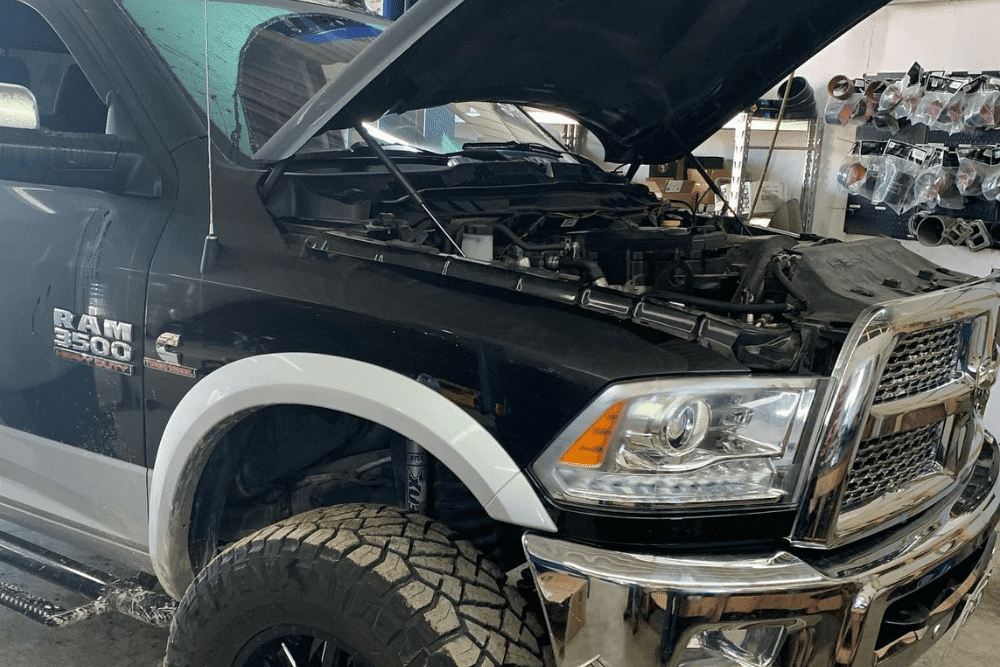
Diesel engines are often hailed for their lastingness, great power, and efficiency. From hauling freightage across miles of highways to powering the heavily machinery on construction sites, these engines are designed to take on some serious work. But despite their strength, there’s one squeeze that can silently endanger their performance and seniority: heat.
Heat is something every engine has to contend with, but it s especially crucial when it comes to diesel engines. Whether it s the blaze summer sun or the strain of heavy loads, surplusage heat can put your under wicked stress. While most of us sympathize that an overheating can lead to breakdowns, the long-term personal effects of heat on diesel motor engines aren t always so plain. The may be inclined but just as costly.
Let s dive into how heat affects your diesel motor engine, the dangers lurking in the rise temperatures, and how you can keep things cool under squeeze.
Why Diesel Engines Are More Prone to Heat Damage
Diesel engines are known for their major power, but that great power comes with a price heat. Unlike petrol engines, which use set off plugs to light fuel, diesel engines rely on to light the fuel. The air is compressed to a high tear down, which course raises the temperature interior the engine. This is an essential part of how a diesel motor operates, making it more efficient. However, this generates more heat, substance the runs hotter than its petrol counterpart.
When everything is working right, the engine s cooling system system of rules keeps temperatures in , allowing the engine to do at its best. But when that poise is noncontinuous whether due to dead components, unreasonable load, or just plain hot brave the engine is at risk.
What Happens When Your Diesel Engine Overheats?
Overheating can have a domino effectuate on your diesel engine engine, where one trouble leads to another, finally causing serious damage. Here are some of the most commons issues that come up when heat starts taking a toll:
1. Oil Breakdown and Increased Friction
Engine oil in a diesel motor engine serves as the lifeblood of the simple machine, ensuring smooth surgery by reduction friction between animated parts. But when temperatures rise beyond the nonpareil range, oil starts to break off down. It loses its viscousness and becomes dilutant, which substance it s less effective at lubricating the .
As a leave, parts like pistons, crankshafts, and camshafts begin to rub against each other with greater rubbing, leadership to accrued wear and tear. Over time, this can lead in untimely engine loser or a partitioning in vital components, costing you big money for repairs.
2. Coolant System Failure
Your diesel engine s cooling system of rules, made up of the radiator, thermoregulator, , and hoses, is there to regulate temperature. But when heat pushes the system past its limits, things take up to break away down. The radiator, for example, may not be able to heat effectively, leading to the coolant boiling or leaking out.
Once the cooling system system of rules fails, the is left susceptible. This puts the at risk of warp and cracking, especially in the head and stuff, where the heat is most saturated. If the runs too hot for too long, it could lead to perm that requires a expensive rebuild.
3. Warped Gaskets and Cylinder Heads
Heat can have a devastating affect on the s intragroup components, particularly the gaskets and heads. A commons failure caused by extreme point heat is the warping of the head. When the cylinder head expands too much due to high temperatures, it can no yearner form a tight seal with the block. This loss of leads to rock-bottom major power and .
Even worsened, a warped head can cause the head gasket to fail. A blown gasket can lead to coolant commixture with oil or beat gases escaping into the cooling system system of rules, both of which can sternly damage the . The resort work to fix these issues is big-ticket and time-consuming.
4. Fuel System Problems
Heat doesn t just involve the physics parts of a diesel motor engine; it also impacts the fuel system of rules. Diesel fuel is spiritualist to temperature changes. When uncovered to extremum heat, the fuel can put down, touching its combustion . This means your might not burn fuel as with efficiency, leadership to faded superpowe, magnified emissions, and high fuel consumption.
Overheated fuel injectors are another relate. If they become clogged or malfunction due to high temperatures, they can t the right way fuel to the combustion . This can cause rough in performance, knocking, or stalling.
Recognizing the Signs of an Overheating Diesel Engine
By the time you notice your diesel is overheating, it may be too late. That s why it s material to keep an eye out for early on warning signs that something s wrong:
Temperature Gauge Spikes: The simplest way to find overheating is by observation the temperature underestimate on your splashboard. If it moves into the red zone, it s time to pull over and cool the down before further damage occurs.
Warning Lights: Diesel-powered vehicles often come with particular admonition lights that indicate a high engine temperature. Don t neglect these lights; they re there to protect your engine.
Strange Noises: If your starts qualification knocking or pinging sounds, it could be a sign that the heat is touching the process. This substance your engine is not running as swimmingly as it should, which can cause long-term damage.
Loss of Power: Overheating can cause your to lose major power, leading to sulky speedup or difficulty maintaining speed up. This is often a sign that the is troubled to run with efficiency due to undue heat.
Steam or Smoke: If you see steamer or fume sexual climax from under the hood, your is likely overheating sternly. This is the kind of situation where you should stop driving immediately and allow the to cool.
How to Keep Your Diesel Engine Cool
Preventing heat-related damage starts with habitue upkee and some smart driving habits. Here s how you can help your diesel motor stay cool under squeeze:
1. Monitor Fluid Levels Regularly
Engine oil and are the two main fluids that protect your from heat. Check both on a regular basis to control they are at the specific levels. If the coolant is low, it won t be able to absorb and dissipate heat in good order, and if the oil is old or grime, it won t lubricate the engine efficiently. Both are key to preventing overheating.
2. Maintain the Cooling System
Your engine s cooling system relies on a network of components, including the radiator, water pump, and hoses. Make sure to these parts on a regular basis for leaks, cracks, or signs of wear. Replace the coolant as required and flush the system sporadically to keep clogs or build-ups that could reduce efficiency.
3. Avoid Overloading the Engine
Diesel engines are known for their towing capacity, but overloading them can lead to excessive heat buildup. Always stay within your vehicle’s recommended load limits to keep off putting supernumerary stress on the . If you re towing or trucking a heavy load, take breaks to let the cool down.
4. Drive Smart in Hot Conditions
Hot endure puts spear carrier stress on your . On sweltering days, try to keep off invasive driving, such as choppy speedup or high-speed . When towing heavy stacks, take it easy and make sure to stop for breaks. Allowing the to rest for a few proceedings can help it cool down and avoid .
5. Install Auxiliary Cooling Systems
In particularly hot climates or when your diesel motor engine is under heavily load, an auxiliary cooler can help wield specific temperature. These additive cooling system systems can affix the radiator s work and assure the how heat affects diesel engines corset cool even under extreme point conditions.
Conclusion: Beat the Heat and Protect Your Diesel Engine
Your diesel engine engine is a hard-working simple machine, but it s not unvanquishable. Excessive heat can have long-lasting personal effects, leadership to oil partitioning, nonstarter, crooked components, and knock. But by staying on top of sustainment, monitoring temperatures, and using hurt habits, you can keep your engine cool and track warm for geezerhood to come.
So, whether you’re navigating the open road or powering through a tough job site, think of: keeping your diesel cool is key to conserving its major power and longevity. Don t let heat be the silent killer that shortens your engine s life. Keep it cool, and let your diesel engine do what it does best work hard for you.
Check Engine Light Diagnostics in Raleigh NC What You Need to Know Before You Panic
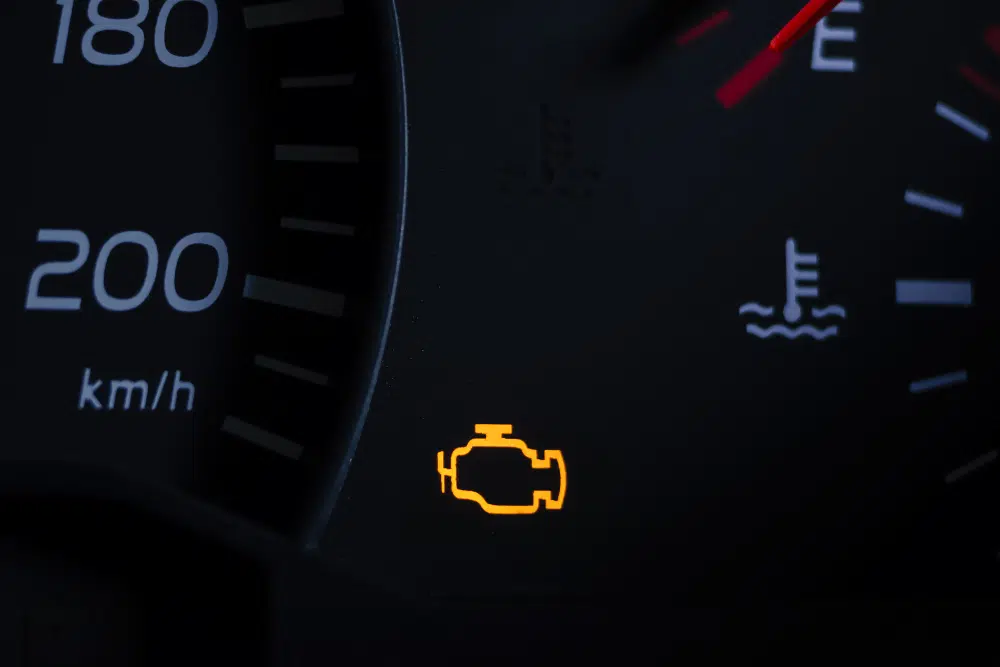
It’s a feeling most drivers in Raleigh, NC, know all too well: you’re cruising along, enjoying a smooth drive, when suddenly, that little check engine light flickers on your dashboard. It’s like an ominous warning, flashing in front of you, but what does it really mean? Is it serious? Should you pull over, or can you continue your trip?
Before you break into a sweat and think the worst, let’s take a step back and understand what the check engine light is trying to tell you. In this article, we’ll walk you through what might be causing that pesky light, why you shouldn’t ignore it, and how to get your car diagnosed in Raleigh, NC without the stress.
What Does the Check Engine Light Actually Mean?
When your check engine light comes on, it’s not always a sign of impending doom. This small yet mighty light is part of your car’s onboard diagnostics system (OBD-II), and it’s designed to alert you to issues within the engine or emissions system. While it’s tempting to assume the worst, the truth is, the check engine light can be triggered by anything from a simple, low-cost fix to something more complex that may need professional attention.
Here are some common reasons why your check engine light might be on:
-
Loose or Broken Gas Cap:
It sounds simple, but a loose or cracked gas cap is one of the most frequent culprits behind the check engine light. If your gas cap isn’t sealed properly, it can cause fuel vapors to leak, triggering the light. Don’t worry—this is usually a cheap and easy fix. -
Oxygen Sensor Failure:
The oxygen sensor measures the amount of oxygen in your vehicle’s exhaust system. It helps your car maintain optimal fuel efficiency and keeps harmful emissions in check. If it starts failing, you could notice poor gas mileage, and eventually, it can damage other parts of the engine. -
Catalytic Converter Problems:
The catalytic converter is an important part of your car’s emission system. It reduces harmful pollutants in the exhaust. When it starts to fail, you may notice a decrease in engine performance, poor acceleration, or a significant drop in fuel economy. This is a more serious issue that requires timely repair. -
Bad Spark Plugs or Ignition Coils:
Spark plugs are responsible for igniting the air-fuel mixture in the engine. If they’re worn out or malfunctioning, you might experience engine misfires, rough idling, or poor fuel economy. Ignition coils can cause similar issues, and replacing them is typically part of routine car maintenance. -
Mass Air Flow (MAF) Sensor Issues:
The mass air flow sensor measures the volume of air entering the engine, helping the vehicle’s computer calculate the right amount of fuel needed. A malfunctioning MAF sensor can cause rough idling, stalling, or poor fuel efficiency. Thankfully, it’s not an expensive fix, but it does need attention.
What Should You Do When the Check Engine Light Comes On?
So, your check engine light is on, and you’re not sure whether to freak out or just keep driving. Here’s what to do next:
-
Don’t Panic!
The first step is to stay calm. While it’s natural to worry, remember that the check check engine light diagnostic Raleigh NC light doesn’t necessarily mean an emergency. In many cases, it’s just a sign that something needs attention, but it doesn’t always spell disaster. -
Check the Gas Cap:
Believe it or not, the gas cap is one of the most common reasons for the light to come on. Check to see if the cap is tightly secured. If it’s loose or cracked, tightening or replacing it may be all that’s needed to turn off the light. -
Monitor Your Car’s Performance:
If the car feels fine—smooth acceleration, no strange noises, no loss of power—then you might be okay to drive to the mechanic without immediate concern. However, if you notice any strange behavior, such as stalling, rough idling, or a noticeable drop in power, it’s best to pull over and call a professional. -
Get the Light Diagnosed ASAP:
If everything seems normal, don’t ignore the light. It’s still important to have your car checked soon. Even minor issues, if left unresolved, can lead to more significant damage down the road. Ignoring the check engine light could cause your fuel efficiency to plummet or cause more expensive repairs.
How Does Check Engine Light Diagnostics Work?
Once you decide to take your car into a trusted auto repair shop in Raleigh, NC, here’s how the diagnostic process works:
-
The OBD-II Scan:
The mechanic will start by connecting your car to an OBD-II scanner, a tool that reads your vehicle’s error codes. These codes tell the mechanic exactly where the issue lies—whether it’s a faulty sensor, a misfiring spark plug, or something else. -
Visual Inspection:
After the scan, the technician will likely perform a visual inspection of the engine. They’ll check for any obvious issues like loose wires, damaged hoses, or worn-out belts. -
Test Drive (If Necessary):
Sometimes, a mechanic may take your car for a test drive to see if they can replicate the symptoms of the issue, especially if the problem seems intermittent or related to performance under certain driving conditions. -
Repair Recommendations:
After the diagnostics, the mechanic will explain the issue and provide a repair estimate. If it’s a minor issue like a loose gas cap or a worn-out spark plug, you can expect an easy and affordable fix. But for more complicated problems, like a faulty catalytic converter, you’ll get a full breakdown of the repairs needed.
Why You Shouldn’t Ignore the Check Engine Light in Raleigh
It can be tempting to put off addressing the check engine light, but ignoring it can lead to bigger problems. Here’s why you should get it diagnosed as soon as possible:
-
Prevent Bigger Problems:
What starts as a small issue—like a faulty oxygen sensor—can quickly snowball into something much more expensive to fix, like a damaged catalytic converter. Fixing the issue early can save you money in the long run. -
Better Fuel Economy:
If the check engine light is on due to a problem with your engine, your fuel efficiency is likely being affected. Ignoring the issue means you’ll continue to burn more fuel than necessary, leading to higher costs at the gas pump. -
Safety Concerns:
Some engine problems can cause your car to stall or lose power, potentially leaving you stranded or in a dangerous situation. Diagnosing and fixing the problem helps ensure your vehicle is safe and reliable. -
Avoid Unexpected Breakdowns:
No one wants to deal with a car breakdown, especially when you’re in the middle of a busy day. Addressing the check engine light promptly helps you avoid unexpected repair costs and the inconvenience of being stuck on the side of the road.
How to Choose the Right Diagnostic Service in Raleigh, NC
When it comes to getting your check engine light diagnosed, it’s important to choose a reputable mechanic in Raleigh. Here’s how to find the right one for you:
-
Look for Experience and Reviews:
Check online reviews to see what other customers have to say. Word of mouth is often the best way to find a trustworthy mechanic. Also, look for a shop that has a history of experience with your vehicle’s make and model. -
Certifications Matter:
A reliable mechanic should be ASE (Automotive Service Excellence) certified, which means they have undergone rigorous training and have proven expertise in car diagnostics and repair. -
Clear and Transparent Estimates:
A good mechanic will give you a clear, written estimate before any work begins. They should explain what needs fixing and why. If a mechanic is vague or unwilling to provide a breakdown, it’s a red flag. -
Warranty on Repairs:
Choose a shop that offers a warranty on their repairs. This shows that they stand behind their work and are committed to ensuring that the fix lasts.
Conclusion: Keep Calm and Get It Checked
If you’re in Raleigh and the check engine light comes on, don’t panic. It could be something as simple as a loose gas cap, or it could indicate a more serious issue. Either way, getting your car diagnosed by a trusted mechanic is the best way to ensure it stays running smoothly and efficiently.
By staying calm, getting a proper diagnosis, and addressing any issues early, you can keep your car in top shape and avoid costly repairs down the road. Don’t let the check engine light stress you out—take it as a signal that it’s time to give your vehicle the attention it deserves.
Urgent Action Required Understanding Your Flashing Check Engine Light in Little Rock
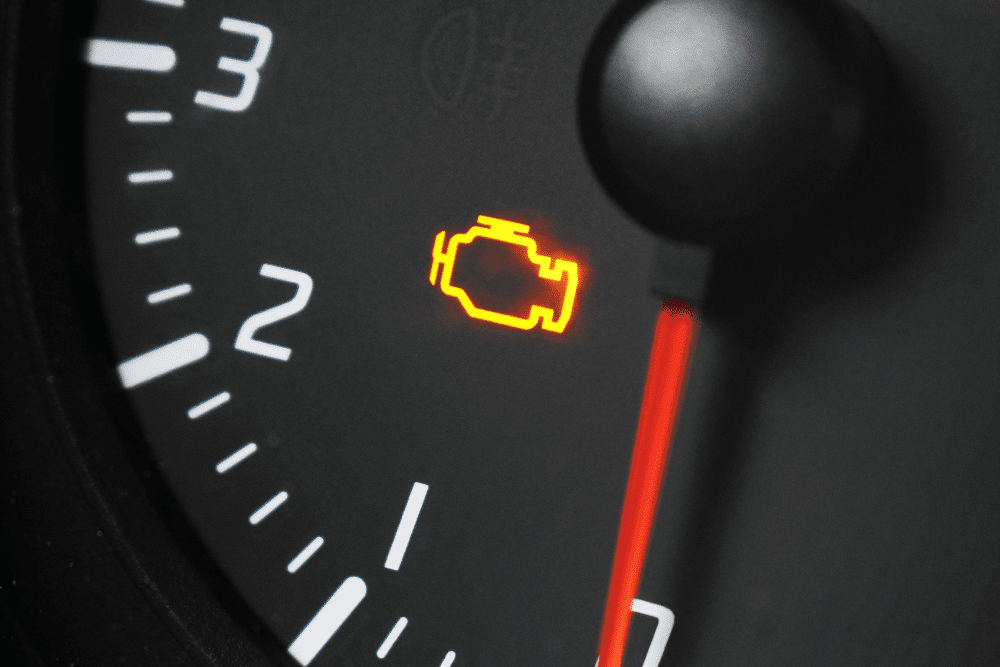
For drivers in Little Rock, a flashing check engine light on your dashboard isn’t just a casual alert—it’s a signal that your vehicle needs urgent attention. Unlike a steady check engine light, which can sometimes indicate minor issues, a flashing light warns of a serious problem that requires immediate action to prevent costly damage or unsafe driving conditions.
In this article, we’ll help you understand what a flashing check engine light means, the common causes behind it, why it’s critical to respond quickly, and what steps you should take if you encounter this warning while driving around Little Rock.
What Does a Flashing Check Engine Light Mean?
Your vehicle’s onboard diagnostic system (OBD-II) monitors your engine’s performance and emissions systems constantly. When it detects a fault, it triggers the check engine light to notify you.
-
Steady Check Engine Light: Usually signals a less urgent issue, such as a loose gas cap, minor sensor malfunction, or a system that needs checking soon but isn’t critical.
-
Flashing Check Engine Light: Indicates an active, severe engine misfire or malfunction that can cause immediate damage to the engine or emissions system, particularly the catalytic converter.
In Little Rock’s climate, with hot summers and stop-and-go traffic, engine stress can be significant, making it especially important to heed this warning.
Common Causes of a Flashing Check Engine Light in Little Rock
A flashing check engine light most often means your engine is misfiring or running poorly, which can cause unburned fuel to enter the exhaust system. This not only reduces fuel efficiency but also risks severe damage. Here are some common causes:
1. Engine Misfire
An engine misfire occurs when the air-fuel mixture in one or more cylinders fails to ignite properly. This can be caused by:
-
Worn or fouled spark plugs
-
Faulty ignition coils or wires
-
Malfunctioning fuel injectors
-
Vacuum leaks
-
Fuel delivery problems
Given the humid and hot conditions in Little Rock, ignition components can wear out faster, increasing the chances of misfires.
2. Ignition System Issues
Faulty spark plugs, ignition coils, or other ignition parts can cause the engine to run rough or stall, triggering the flashing light.
3. Fuel System Problems
Clogged fuel injectors or a failing fuel pump can disrupt the proper fuel-air mixture, causing misfires and warning signals.
4. Vacuum Leaks
Cracked or disconnected vacuum hoses affect engine performance by throwing off the mixture, leading to rough running or stalling.
5. Sensor Failures
Defective oxygen sensors or mass airflow sensors can send incorrect data to the engine control unit (ECU), leading to improper fuel delivery and engine misfires.
Why Ignoring a Flashing Check Engine Light Is Risky
Continuing to drive with a flashing check engine light can cause serious problems, including:
-
Catalytic Converter Damage: Unburned fuel entering the exhaust can overheat and damage this critical emissions component, leading to expensive repairs.
-
Reduced Fuel Efficiency: Misfires waste fuel and reduce miles per gallon.
-
Engine Damage: Prolonged misfiring can cause internal damage, like burned valves or pistons.
-
Safety Concerns: Engine performance issues can cause sudden stalls or loss of power, increasing accident risk.
Because of these risks, Little Rock drivers should treat a flashing check engine light as an emergency.
What to Do If Your Check Engine Light Is Flashing in Little Rock
If your check engine light starts flashing while you’re driving, here are immediate steps to follow:
-
Slow Down: Reduce your speed and avoid heavy acceleration or climbing hills.
-
Find a Safe Place to Pull Over: Stop driving as soon as it’s safe to do so to prevent further damage.
-
Inspect for Obvious Issues: Check for strange noises, smells, or leaks.
-
Avoid Driving Long Distances: Continuing to drive with the light flashing can worsen the problem.
-
Contact a Trusted Local Mechanic: Schedule an immediate diagnostic appointment.
How Local Little Rock Mechanics Diagnose and Fix the Issue
Professional mechanics in Little Rock use advanced diagnostic tools to retrieve error codes stored in your vehicle’s computer. These codes reveal the exact cause of the flashing light and help pinpoint whether the problem lies with ignition components, fuel delivery, sensors, or vacuum systems.
After diagnosis, the mechanic will provide an honest estimate for repairs, which may include:
-
Replacing spark plugs, ignition coils, or wires
-
Cleaning or replacing fuel injectors
-
Repairing vacuum leaks
-
Replacing faulty sensors
-
Repairing wiring or connectors
A thorough post-repair test ensures the issue is resolved, and the check engine light is reset.
Preventing Flashing Check Engine Lights in Little Rock
While some issues are unavoidable, regular maintenance helps reduce the chances of flashing check engine lights:
-
Schedule regular tune-ups to replace spark plugs and ignition components.
-
Use high-quality fuel and keep your fuel system clean.
-
Have your vehicle inspected for vacuum leaks or sensor issues during routine service.
-
Keep up with oil changes and cooling system maintenance to prevent engine overheating.
Why Choose a Local Little Rock Auto Repair Shop?
Local mechanics understand Little Rock’s unique driving conditions—hot summers, humidity, traffic patterns—and how these affect your vehicle’s engine. Choosing a reputable local shop ensures faster diagnostics, quality repairs, and personalized service that caters to the community’s needs.
Final Thoughts
A flashing check flashing check engine light Little Rock light in Little Rock is an urgent warning that should never be ignored. It signals serious engine misfires or malfunctions that can cause costly damage and unsafe driving conditions. If your light starts flashing, take immediate action: slow down, pull over safely, and contact a trusted local mechanic for professional diagnosis and repair.
By responding quickly and maintaining your vehicle proactively, you’ll avoid expensive repairs and keep your car running smoothly through all of Arkansas’ seasons.
Cost-Effective Choices Engine Repair vs. Replacement in Baton Rouge
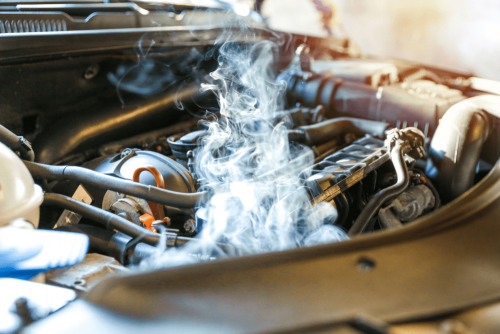
Owning a vehicle in Baton Rouge means relying on your car for everything from daily commutes to weekend adventures. But what happens when your engine starts showing signs of trouble? One of the most critical and costly decisions you might face is whether to repair your existing engine or replace it entirely. Both options come with pros and cons, and making the right choice can save you thousands of dollars and headaches down the road.
This guide will explore the cost-effective considerations involved in engine repair versus engine replacement for Baton Rouge drivers, helping you make an informed decision that suits your budget, your vehicle, and your lifestyle.
Understanding Engine Repair vs. Replacement
Before diving into costs, it’s important to understand what each option entails.
-
Engine Repair: This involves fixing specific problems within your current engine. Repairs can range from simple fixes like replacing worn-out belts or seals to more complicated tasks such as repairing a head gasket or fixing piston damage.
-
Engine Replacement: This means removing your existing engine and installing a new, rebuilt, or remanufactured engine. Replacement is usually recommended when the damage is extensive or the engine has failed beyond repair.
The Cost Breakdown for Baton Rouge Drivers
Cost is often the deciding factor when considering engine repair or replacement. Here’s what you can expect:
Engine Repair Costs
In Baton Rouge, typical engine repairs might range from $500 to $3,000, depending on the severity of the problem. Common repairs include:
-
Head gasket replacement: $1,000 to $2,500
-
Timing belt or chain replacement: $500 to $1,500
-
Piston or valve repair: $1,500 to $3,000
-
Oil leak repairs: $200 to $800
Repairing your engine can be a cost-effective solution when the damage is isolated and your vehicle is otherwise in good condition. These repairs can extend your engine’s life by years without the need for a full replacement.
Engine Replacement Costs
Engine replacement is more expensive, typically ranging from $3,000 to $7,000 or more. Factors influencing cost include:
-
Type of engine (new, remanufactured, or used)
-
Vehicle make and model
-
Labor costs at the service center
-
Additional parts and fluids required
While pricier upfront, a replacement engine can restore your vehicle’s performance to like-new conditions and potentially increase its lifespan significantly.
When Repair Is the More Cost-Effective Choice
Engine repair tends to be the better option if:
-
The damage is limited to specific parts of the engine
-
Your vehicle has low to moderate mileage and is otherwise reliable
-
You’re looking to keep costs low without sacrificing safety
-
Your car holds sentimental value or has features you want to preserve
For many Baton Rouge drivers, repairing an engine problem is a practical and affordable way to keep their vehicles on the road without making a major financial commitment.
When Replacement Is the Smarter Investment
Replacement is usually the more cost-effective long-term choice if:
-
The engine has suffered severe or multiple damages
-
You’ve had repeated repairs on the engine in recent months or years
-
The cost of repairs is close to or exceeds the cost of replacement
-
You want to significantly extend your vehicle’s lifespan
-
You own a vehicle with high resale or sentimental value
In these cases, engine replacement may save you money in the long run by reducing the need for ongoing repairs and improving vehicle reliability.
Additional Baton Rouge-Specific Considerations
Driving in Baton Rouge presents unique challenges that can influence the longevity and condition of your engine, such as:
-
Hot, humid climate: This can accelerate engine wear and increase cooling system demands.
-
Stop-and-go traffic: Frequent idling and slow traffic put more stress on engines.
-
Flood risks: Occasional flooding and wet road conditions may cause engine repair vs replacement Baton Rouge and electrical issues if water intrusion occurs.
Taking these factors into account with your trusted local mechanic ensures you’re making the best choice for your vehicle’s condition and Baton Rouge’s driving environment.
How to Make the Right Decision
Here are some steps to guide your decision-making process:
-
Get a thorough engine diagnostic: A qualified mechanic can identify the exact issue and its severity.
-
Request detailed repair and replacement estimates: Understand the full financial picture, including parts, labor, and warranties.
-
Evaluate your vehicle’s overall condition: Consider the car’s age, mileage, and condition beyond just the engine.
-
Consider your long-term plans: Will you keep the car for years, or are you planning to sell or trade it soon?
-
Weigh the financial impact: Compare repair costs, replacement costs, and the potential cost of a new vehicle.
Final Thoughts: Balancing Cost and Value
For many Baton Rouge drivers, the choice between engine repair and replacement boils down to balancing upfront costs with long-term value. Repair can offer immediate savings and keep your car running if the damage is limited. Replacement, while more expensive initially, often brings peace of mind and reliability for years to come.
Working with a trusted local shop, such as Cantrell Service Center, can make this decision easier. Their certified technicians provide honest advice, thorough diagnostics, and cost-effective solutions tailored to Baton Rouge drivers’ unique needs.
Need expert guidance on your engine’s future?
Contact Cantrell Service Center today for a comprehensive evaluation. Let us help you make a smart, cost-effective choice to keep you safely on the road without breaking the bank.
Captive Insurance and Tax Strategy A Smart Financial Move?

You’re likely no stranger to the importance of minimizing tax liabilities for your business. One strategy you might not have considered, however, is captive insurance. By creating your own insurance company, you can deduct premiums as business expenses, while the captive insurance company is only taxed on its investment income. This can result in significant tax savings and the accumulation of funds for potential claims. But is captive insurance right for your business, and how do you implement it effectively?
Understanding Captive Insurance
With the complexities of modern business come equally complex insurance needs, and that’s where captive insurance companies come in.
You’re likely familiar with traditional insurance, where you pay premiums to a third-party insurer. But captive insurance is different.
You own the insurance company, and it’s designed to insure your business’s specific risks. This approach offers more control and flexibility in managing your insurance costs, and risk management strategies.
You’ll work with a team of experts to identify your business’s unique risks and design a tailored insurance program.
This might involve creating customized policies, setting premium rates, and determining the level of risk retention. Because you own the captive insurance company, you’ll retain any profits, which can be used to further benefit your company.
This approach requires significant capital and expertise, but for businesses with complex insurance needs, it can be a game-changer.
You’ll gain greater control over your insurance costs, and develop a more sophisticated risk management strategy.
Benefits of Captive Insurance Ownership
You’ve identified your business’s unique risks and designed a tailored insurance program.
By owning a captive insurance company, you’re taking control of your risk management strategy. This allows you to make informed decisions about your business’s insurance needs, rather than relying on traditional commercial insurers.
As a result, you’ll benefit from increased flexibility and customization of your insurance program. You’ll also have more control over claims process and can respond quickly to changing business conditions.
Additionally, owning a captive insurance company can lead to cost savings, as you’ll no longer be paying premiums to commercial insurers. Furthermore, you’ll have more control over your insurance costs, and any profits made by your captive insurer will remain within your business.
Tax Implications and Savings
Owning a captive insurance company can yield significant tax benefits, thanks to the premiums paid to the captive being tax-deductible business expenses.
This means you can reduce your taxable income by deducting the premiums as business expenses on your tax return. Additionally, the captive insurance company is taxed on its investment income, not on the premiums received.
This can result in a lower tax liability for the captive.
You can also benefit from tax savings by accumulating profits within the captive.
Since the captive is a licensed insurance company, it’s allowed to maintain reserves for future claims and expenses.
This enables you to set aside a portion of the premiums received as reserves, rather than paying taxes on them.
By doing so, you can reduce your tax liability and accumulate wealth within the captive.
Risks and Compliance Considerations
As you set up and run your captive, keep in mind that it’s not a risk-free venture.
You’ll need to identify and mitigate potential risks, such as regulatory non-compliance, and investment losses.
You must also ensure that your captive complies with relevant insurance and regulatory requirements, including obtaining necessary licenses and permits.
Failure to comply can result in fines, penalties, and even criminal prosecution.
You’ll need to establish a robust governance structure, including a board of directors, audit committees, and risk management committees.
These entities will oversee the captive’s operations, ensure compliance with regulatory requirements, and manage risk.
You’ll also need to maintain accurate and detailed records, including financial statements, tax returns, and regulatory filings.
Regular audits and risk assessments will help identify potential issues before they become major problems.
Is Captive Insurance Right
Now that you’ve set up a captive insurance company, it’s time to ask yourself if captive insurance is right for your business.
You’ve invested time and resources, but it’s essential to assess whether it aligns with your goals.
Consider the risks you’re trying to mitigate. Are they specific to your industry or business operations? If so, captive commercial insurance can be a tailored solution to manage those risks.
Additionally, evaluate your financial situation. Do you have the capital to fund the captive, and can you benefit from the tax advantages it offers?
It’s also crucial to consider the long-term commitment involved.
Will your business continue to grow and generate the necessary premiums to sustain the captive?
Lastly, assess your risk tolerance. Are you comfortable taking on the responsibilities that come with owning an insurance company?
If you’ve thought through these questions and believe captive insurance aligns with your business objectives, then it can be a valuable strategy to protect your assets and optimize your tax position.
Conclusion
You’ve explored the world of captive insurance and its potential to minimize tax liabilities. By understanding the benefits, tax implications, and compliance considerations, you’re now equipped to make an informed decision. Captive insurance can be a savvy financial move, offering a unique opportunity to protect assets and accumulate reserves. Will you take the leap and create a captive insurance company to optimize your tax strategy?