
The Complete ACFT Guide for Soldiers in 2025 (+ Free Score Calculator)
This is your one-stop, field-tested guide to the Army Combat Fitness Test (ACFT).
Use the official calculators, choose a plan, and pass with confidence.
Quick Start
- Open the ACFT Calculator Tool to see your exact targets by age and sex.
- Browse All Calculators if you know which event you want to check first.
- Review ACFT Standards to learn how the scoring tables work.
- Pick a plan in the ACFT Training Hub and start today.
1) What the ACFT Is (Plain English)
The Army Combat Fitness Test measures your combat-ready fitness.
It replaced the APFT.
It uses six events to test strength, power, speed, core, and endurance.
The six events are:
- 3-Rep Max Deadlift (MDL)
- Standing Power Throw (SPT)
- Hand-Release Push-Up (HRP)
- Sprint-Drag-Carry (SDC)
- Plank (PLK)
- Two-Mile Run (2MR)
Each event gives you points.
Your total is the sum of all six.
Your required numbers depend on your age and sex.
Open the ACFT Calculator Tool to get a clear target in seconds.
2) How Scoring Works (No Guessing)
You get a score for each event.
Better performance equals more points.
Your age and sex set your specific cut lines.
The fastest way to see your numbers is to use the calculators below.
- Deadlift (MDL):
- Score it here → ACFT Deadlift Calculator: 3-Repetition Maximum Deadlift Score
- Alternative version → Deadlift Calculator • ACFT Calculator Pro
- Score it here → ACFT Deadlift Calculator: 3-Repetition Maximum Deadlift Score
- Standing Power Throw (SPT):
- Score it here → ACFT Power Throw Calculator: Standing Power Throw Score
- Alternative version → ACFT Standing Power Throw Calculator
- Score it here → ACFT Power Throw Calculator: Standing Power Throw Score
- Hand-Release Push-Up (HRP):
- Score it here → ACFT Push-Up Calculator: Hand-Release Push-Up Score
- Alternative version → ACFT Push-Up Calculator | Calculate Your Push-Up Score
- Score it here → ACFT Push-Up Calculator: Hand-Release Push-Up Score
- Sprint-Drag-Carry (SDC):
- Score it here → ACFT Sprint-Drag-Carry Calculator: SDC Event Score
- Alternative version → ACFT Sprint-Drag-Carry Calculator | Calculate Your SDC Score
- Score it here → ACFT Sprint-Drag-Carry Calculator: SDC Event Score
- Plank (PLK):
- Score it here → ACFT Plank Calculator: Core Strength Event Score
- Alternative version → Plank Calculator • ACFT Calculator Tool
- Score it here → ACFT Plank Calculator: Core Strength Event Score
- Two-Mile Run (2MR):
- Score it here → ACFT Two-Mile Run Calculator: 2MR Event Score
- Alternative version → Two-Mile Run Calculator • ACFT Calculator Tool
- Score it here → ACFT Two-Mile Run Calculator: 2MR Event Score
Need the whole picture in one place?
Use the ACFT Standards Calculator and confirm ACFT Standards before you train.
3) Event-by-Event Guide (Technique → Scoring → Training)
Each sub-section gives you the test goal, fast technique cues, common errors, and the exact tools to use.
3.1 Deadlift (MDL) — Strength You Can Trust
What it tests: Lower-body strength and bracing.
Core idea: Hinge at the hips, keep the bar close, and drive through the floor.
Fast technique cues:
- Brace first. Lock your ribs down and tighten your core.
- Hips back, shins near vertical, lats on.
- Push the ground away. Keep the bar path close.
Common mistakes (and fixes):
- Rounded back: Lower the load and use tempo reps. Hold a strong brace.
- Bar floats forward: Pull “back to the thighs.” Squeeze your armpits.
- Yanking start: Take tension out of the bar before you pull.
Score it now:
- ACFT Deadlift Calculator: 3-Repetition Maximum Deadlift Score
- Deadlift Calculator • ACFT Calculator Pro
Train it:
3.2 Standing Power Throw (SPT) — Power From the Ground Up
What it tests: Explosive hip drive and coordination.
Core idea: Load legs, snap hips, then release high and far.
Fast technique cues:
- Long reach back, quick dip, tall finish.
- Hips lead, arms follow.
- Throw “up and out,” not only “out.”
Common mistakes (and fixes):
- Arm-only throw: Use a small countermovement. Lead with legs and hips.
- Rushed release: Practice rhythm with lighter medicine ball throws.
- Flat trajectory: Finish tall and look slightly upward.
Score it now:
Train it:
3.3 Hand-Release Push-Up (HRP) — Total-Body Line
What it tests: Upper-body strength and trunk control.
Core idea: Keep a straight body line. Release hands cleanly at the bottom.
Fast technique cues:
- Wrists under elbows.
- Ribs down, glutes on, squeeze the floor.
- Smooth cadence. No jerky reps.
Common mistakes (and fixes):
- Sagging hips: Shorten sets. Stop a rep before you lose the line.
- Flaring elbows: Tuck a bit. Aim elbows at 45°.
- Bouncing chest: Use a full stop and controlled push.
Score it now:
- ACFT Push-Up Calculator: Hand-Release Push-Up Score
- ACFT Push-Up Calculator | Calculate Your Push-Up Score
Train it:
3.4 Sprint-Drag-Carry (SDC) — Speed With Skill
What it tests: Speed, agility, work capacity, and grip.
Core idea: Clean turns and tight transitions win seconds.
Fast technique cues:
- Plan your turns. Eyes up.
- Keep the sled pull straight and brisk.
- Stay low on shuffles. Short, quick steps.
Common mistakes (and fixes):
- Wide, sloppy turns: Place cones and rehearse the path.
- Redline early: Breathe on a cadence. Save a kick for the last carry.
- Wasted steps: Film one run to spot drift and extra steps.
Score it now:
- ACFT Sprint-Drag-Carry Calculator: SDC Event Score
- ACFT Sprint-Drag-Carry Calculator | Calculate Your SDC Score
Train it:
3.5 Plank (PLK) — Core Endurance That Transfers
What it tests: Anti-extension core endurance.
Core idea: Ribs down, glutes engaged, steady breath.
Fast technique cues:
- Elbows under shoulders.
- Pack your neck. Stare at the ground.
- Breathe shallow and steady.
Common mistakes (and fixes):
- Low hips: Reset your brace and glutes.
- Head up: Keep a neutral neck.
- Breath holds: Use repeat clusters to build time.
Score it now:
Train it:
3.6 Two-Mile Run (2MR) — Pace Wins
What it tests: Aerobic endurance and resilience.
Core idea: Even or slightly negative splits with relaxed form.
Fast technique cues:
- Tall posture, quiet arms.
- Light, quick steps.
- Breathe rhythmically to stay calm.
Common mistakes (and fixes):
- Too fast at the start: Use a watch. Open at goal pace or slower.
- No pacing plan: Practice race pace repeats weekly.
- Heavy shoes or odd surfaces: Train in the same gear and on similar surfaces.
Score it now:
Train it:
4) Choose Your Training Path (Time-Bound Plans)
You do not need a perfect schedule.
You need the next session and a clear goal.
Start here and scale up when you can.
- Beginner base (best place to start):
Beginner ACFT Training Program • ACFT Calculator Pro
- Short runway (urgent focus):
2-Week Quick Improvement Plan • ACFT Calculator Pro
4-Week Quick Improvement Plan • ACFT Calculator Pro
- Event-specific blocks (fix your weakest link):
3-Rep Max Deadlift Training Program
Standing Power Throw Training Program
Hand-Release Push-Up Training Program
Sprint-Drag-Carry Training Program
Plank Training Program
Two-Mile Run Training Program
- Full training library:
ACFT Training Hub: Complete Preparation
- Video walk-throughs:
ACFT Training Videos | Expert Tips & Techniques
Tip: After each week, run the matching event calculator.
See how your points move.
Adjust if needed.
Use All Calculators for quick checks.
5) Standards and MOS Context (What Your Role Demands)
Know your numbers.
Then think about your role.
Some jobs may expect stronger performance in specific domains.
Start with ACFT Standards.
If you need a quick check, use the ACFT Standards Calculator.
Then explore MOS-framed standards pages:
- 11B – Infantryman: 11B — Infantryman ACFT Standards
- 13B – Cannon Crewmember: 13B — Cannon Crewmember ACFT Standards
- 19D – Cavalry Scout: 19D — Cavalry Scout ACFT Standards
- 19K – M1 Armor Crewman: 19K — M1 Armor Crewman ACFT Standards
- 12B – Combat Engineer: 12B — Combat Engineer ACFT Standards
- 31B – Military Police: 31B — Military Police ACFT Standards
- 35F – Intelligence Analyst: 35F — Intelligence Analyst ACFT Standards
- 42A – Human Resources Specialist: 42A — Human Resources Specialist ACFT Standards
- 68W – Combat Medic: 68W — Combat Medic ACFT Standards
- 88M – Motor Transport Operator: 88M — Motor Transport Operator ACFT Standards
- 92Y – Unit Supply Specialist: 92Y — Unit Supply Specialist ACFT Standards
- 25B – Information Technology Specialist: 25B — Information Technology Specialist ACFT Standards
New to the Army?
Start with ACFT Resources for New Recruits.
Build a base and learn the test flow.
6) Regulations, Equipment, and Setup (No Surprises)
Train by the book.
Test with the same setup you practice on.
This keeps test day calm and predictable.
- Official policies and rules: ACFT Regulations: Official Policies
- What you need to train and test: ACFT Equipment Guide: Required Gear
- Everything in one place: Resources • ACFT Calculator Pro
Also review site governance so you know who built the tools and how your data is handled:
- Who we are: About ACFT Calculator: Our Mission and Team
- Common questions: FAQs • ACFT Calculator Pro
- Terms of use: Terms of Service | ACFT Calculator Tool
- Privacy details: Privacy Policy | ACFT Calculator Tool
7) The S.C.O.R.E. Method (A Simple Framework That Works)
This five-step loop makes steady progress feel easy.
Use it every training cycle.
S — Set a clear goal.
Open the ACFT Calculator Tool.
Pick a total score and event targets.
Write them down.
C — Check your baseline.
Run a light mock or single-event trials this week.
Log reps, time, and throws.
Confirm points with the event calculators in All Calculators.
O — Organize your blocks.
Choose a focus: strength, power, speed, or endurance.
Use the Beginner Program if you are new.
Short on time? Pick 2-Week or 4-Week plans.
R — Rehearse the test sequence.
Practice the exact order.
Drill transitions.
Do one full mock in the middle of your plan.
E — Execute and adjust.
Test, review, adjust.
Return to the calculators.
Move your focus to the next easiest points.
8) Quick Wins Most Soldiers Can Grab Fast
SDC:
Map the turns.
Shuffle low.
Pull the sled straight.
Use ACFT Sprint-Drag-Carry Calculator after practice to track seconds.
PLK:
Do short clusters with brief rests.
Breathe shallow.
Score gains with the Plank Calculator.
HRP:
Keep a straight line from head to heels.
Stop sets before form breaks.
Check points with the Push-Up Calculator.
2MR:
Open at goal pace, not faster.
Add one weekly threshold run.
See time-to-points with the Two-Mile Run Calculator.
SPT:
Practice rhythm with light throws.
Finish tall.
Track distance gains with the Standing Power Throw Calculator.
MDL:
Use strong bracing and small load jumps.
Confirm point moves with the Deadlift Calculator.
9) Test-Day Flow (Calm, Simple, Repeatable)
The night before:
Lay out gear.
Eat a normal meal.
Get as much sleep as you can.
Warm-up (10–15 minutes):
Light movement.
Hip and thoracic mobility.
Two short rehearsal sets for the first event.
During the test:
Follow the sequence.
Breathe on a rhythm.
Move on after each event.
Do not dwell on one mistake.
After the test:
Log results.
Open the ACFT Calculator Tool.
Plan your next cycle using the ACFT Training Hub.
10) Sample 6-Week Plan (Plug-and-Play)
Use this as a template.
Adjust days around duty, field time, and recovery.
Week 0 (Baseline):
Do single-event trials or a light mock.
Save numbers in the ACFT Calculator Tool.
Weeks 1–2 (Build skill and capacity):
- Day 1: MDL technique + HRP clusters
- Day 2: SPT rhythm + PLK clusters
- Day 3: SDC path rehearsal
- Day 4: 2MR race-pace repeats
Weeks 3–4 (Specificity and rehearsal):
- Day 1: MDL strength + HRP volume
- Day 2: SPT + PLK
- Day 3: SDC full effort
- Day 4: 2MR tempo run
- End of week 4: Full mock test → check ACFT Standards Calculator
Weeks 5–6 (Sharpen and taper):
- Day 1: Event skills at lower volume
- Day 2: SDC + PLK short sets
- Day 3: 2MR short race-pace blocks
- Week 6 start: Final mock → light taper into test day
Short runway?
Swap in 2-Week Quick Improvement or 4-Week Quick Improvement as needed.
11) Complete Resource Index (Bookmark This)
Core tools and hubs:
- ACFT Calculator Tool | Official Army Combat Fitness Test Calculator
- All Calculators • ACFT Calculator Tool
- ACFT Standards
- ACFT Standards Calculator | Find Your Required Scores
- ACFT Training Hub: Complete Preparation
- Resources • ACFT Calculator Pro
Event calculators (A/B versions when provided):
- Deadlift:
ACFT Deadlift Calculator: 3-Repetition Maximum Deadlift Score · Deadlift Calculator • ACFT Calculator Pro
- Standing Power Throw:
ACFT Power Throw Calculator: Standing Power Throw Score · ACFT Standing Power Throw Calculator
- Push-Up (HRP):
ACFT Push-Up Calculator: Hand-Release Push-Up Score · ACFT Push-Up Calculator | Calculate Your Push-Up Score
- Sprint-Drag-Carry:
ACFT Sprint-Drag-Carry Calculator: SDC Event Score · ACFT Sprint-Drag-Carry Calculator | Calculate Your SDC Score
- Plank:
ACFT Plank Calculator: Core Strength Event Score · Plank Calculator • ACFT Calculator Tool
- Two-Mile Run:
ACFT Two-Mile Run Calculator: 2MR Event Score · Two-Mile Run Calculator • ACFT Calculator Tool
Training programs and learning:
- Beginner ACFT Training Program • ACFT Calculator Pro
- 2-Week Quick Improvement Plan • ACFT Calculator Pro
- 4-Week Quick Improvement Plan • ACFT Calculator Pro
- 3-Rep Max Deadlift Training Program
- Standing Power Throw Training Program
- Hand-Release Push-Up Training Program
- Sprint-Drag-Carry Training Program
- Plank Training Program
- Two-Mile Run Training Program
- ACFT Training Videos | Expert Tips & Techniques
MOS-framed standards:
- 11B — Infantryman · 13B — Cannon Crewmember · 19D — Cavalry Scout · 19K — M1 Armor Crewman
- 12B — Combat Engineer · 31B — Military Police · 35F — Intelligence Analyst · 42A — Human Resources Specialist
- 68W — Combat Medic · 88M — Motor Transport Operator · 92Y — Unit Supply Specialist · 25B — Information Technology Specialist
New soldiers:
Regulations, equipment, governance:
- ACFT Regulations: Official Army Combat Fitness Test Policies
- ACFT Equipment Guide: Required Gear for Army Combat Fitness Test
- Resources • ACFT Calculator Pro
- About ACFT Calculator: Our Mission and Team
- FAQs • ACFT Calculator Pro
- Terms of Service | ACFT Calculator Tool
- Privacy Policy | ACFT Calculator Tool
12) Human-Style FAQ (Clear Answers, Quick Links)
Q1) What is the fastest way to find my required scores?
Use the ACFT Standards Calculator.
Then confirm details on ACFT Standards.
Q2) I have two weeks. Can I still improve my total?
Yes.
Run the 2-Week Quick Improvement Plan.
Focus on SDC, PLK, and HRP for rapid gains.
Q3) I am brand new. Where should I start?
Read ACFT Resources for New Recruits.
Then follow the Beginner Program.
Q4) Which events give most soldiers the fastest points?
Usually SDC, PLK, and HRP.
Check progress after each session with All Calculators.
Q5) How often should I rehearse the full test?
At least once mid-plan and once near the end.
Use the ACFT Calculator Tool to compare totals.
Q6) What if my deadlift stalls?
Drop the load slightly.
Add tempo work and clean bracing.
Follow the 3-Rep Max Deadlift Training Program and track points with the Deadlift Calculator.
Q7) How do I pace the Two-Mile Run?
Aim for even or negative splits.
Practice race-pace repeats weekly.
Use the Two-Mile Run Calculator to translate seconds into points.
Q8) Where can I see the movements done right?
Watch the ACFT Training Videos.
Then practice with your unit’s setup.
Q9) What gear do I need for training?
Check the ACFT Equipment Guide.
Use the same or similar gear on test day.
Q10) Where do I read official rules?
See ACFT Regulations.
They summarize policy and link to source documents.
Q11) Who made these tools? Are they safe to use?
Read About ACFT Calculator for the team’s mission.
Review Terms and Privacy for details.
Q12) How do MOS pages help me?
They frame standards for your job.
Explore your role, like 11B, 13B, or 19D.
Browse all MOS cards on ACFT Standards.
Q13) Can I change my plan mid-cycle?
Yes.
Shift focus to the event with the best return.
Pick a matching block in the Training Hub.
Q14) What if I have four weeks?
Use the 4-Week Quick Improvement Plan.
Do one full mock at the end of week two.
Q15) How can I see everything in one place?
Open All Calculators for quick tools.
Use ACFT Standards for tables and MOS links.
13) Final Checklist (Print and Go)
- I ran my numbers in the ACFT Calculator Tool and saved targets.
- I picked a plan: Beginner, 2-Week, or 4-Week.
- I scheduled one mock at the halfway point and one near the end.
- I set two mini-sessions a week for my weakest event.
- I reviewed Regulations and the Equipment Guide.
- I watched key cues in the Training Videos.
- I know where to find standards: ACFT Standards and the Standards Calculator.
14) Closing Thoughts (You’ve Got This)
You do not need a perfect week to pass the ACFT.
You need clear targets, short focused sessions, and two rehearsals.
Use the calculators to guide every step.
Pick a plan that fits your life.
Train with intention.
Show up calm on test day.
Then come back and set your next goal.
Start here: ACFT Calculator Tool
Continue here: ACFT Training Hub
Confirm here: ACFT Standards and All Calculators
Legal and Site Info
The Role of CRM in Streamlining Business Operations
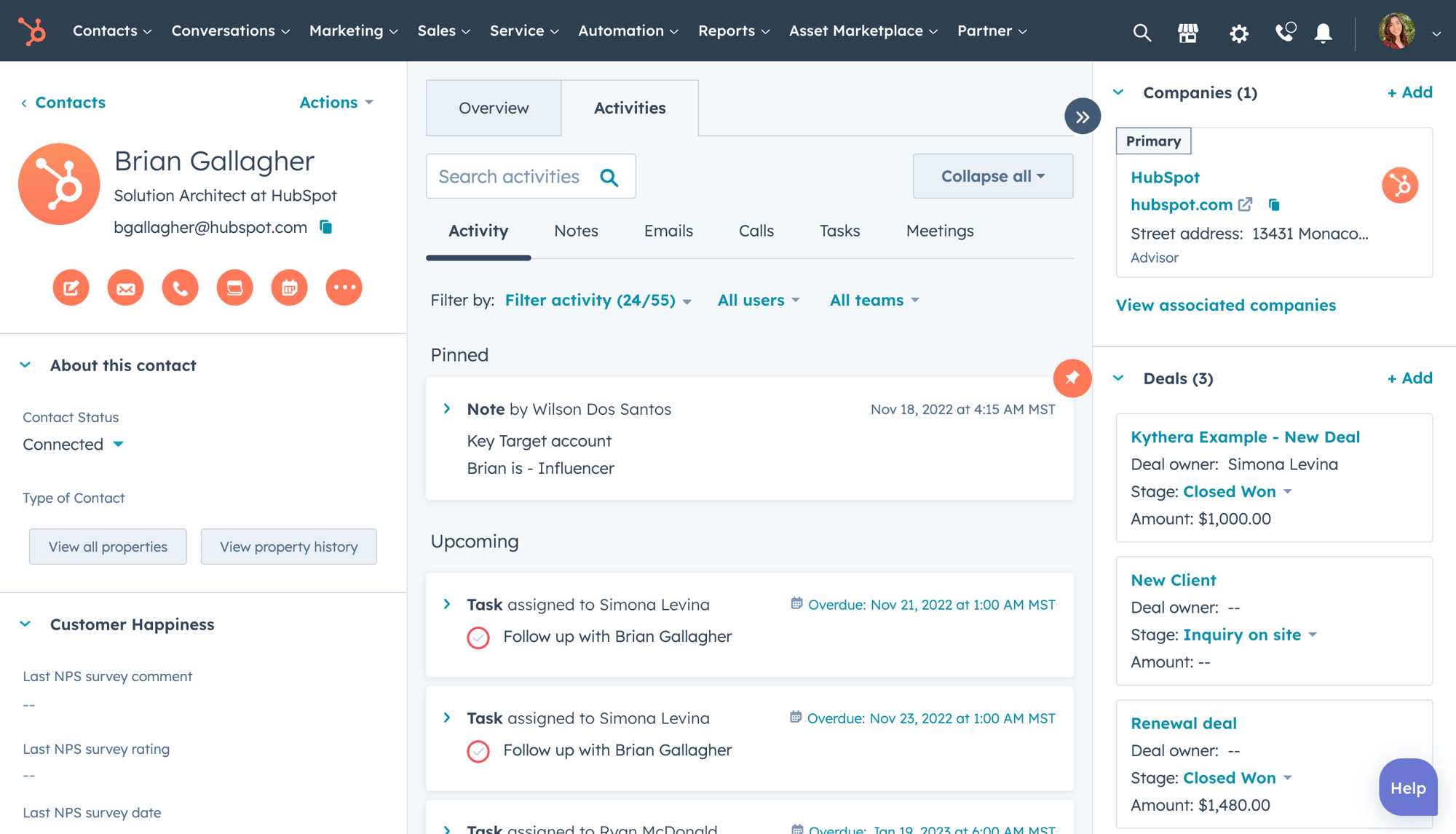
As you assess your business’s operational efficiency, you’re likely wondering how to bridge the gap between departments and drive growth. You’re not alone. Many businesses struggle to juggle customer relationships, data analysis, and process automation. A Customer Relationship Management (CRM) system can be a game-changer, but how exactly can it help you overcome these challenges? By adopting a CRM, you’ll be able to automate tasks, enhance data analysis, and boost collaboration – but that’s just the beginning.
Automating Repetitive Business Tasks
Since you’re looking to streamline business operations, automating repetitive tasks is a great place to start.
You’ll free up time and energy that can be better spent on high-leverage activities like strategy, innovation, and customer engagement.
With CRM, you can automate tasks such as data entry, lead qualification, and follow-up emails.
This not only reduces the risk of human error but also increases efficiency and productivity.
Enhancing Real-Time Data Analysis
By automating repetitive tasks, you’ve cleared the path to focus on higher-value activities that drive growth.
One such activity is enhancing real-time data analysis. With CRM, you’re empowered to collect and analyze large amounts of data quickly and efficiently.
This enables you to identify trends, patterns, and correlations that might’ve gone unnoticed otherwise. You can track key performance indicators (KPIs), customer behavior, and market shifts in real-time, allowing you to make informed, data-driven decisions.
CRM’s analytics capabilities also enable you to segment your customer base, create targeted marketing campaigns, and measure their effectiveness.
Moreover, you can identify areas of improvement, such as bottlenecks in the sales funnel, and take corrective action to optimize your operations.
Improving Cross-Functional Collaboration
Nearly 75% of your business operations involve cross-functional collaboration. This means multiple teams work together to achieve a common goal.
However, without a unified platform, collaboration can quickly turn into chaos. That’s where a CRM system comes in. By providing a single source of truth, a CRM enables teams to access the same information, reducing misunderstandings and misaligned efforts.
You can use a CRM to assign tasks, track progress, and set deadlines. This ensures everyone is on the same page, working towards the same objective.
A HubSpot CRM also enables you to identify bottlenecks and areas where collaboration is breaking down. With this insight, you can make data-driven decisions to optimize your collaboration processes, improving overall efficiency.
Streamlining Customer Engagement Strategies
You’ve worked hard to improve cross-functional collaboration, and now it’s time to focus on the customer.
A well-implemented CRM system helps you streamline customer engagement strategies in several ways.
Firstly, it provides a unified view of customer interactions, enabling you to understand their preferences, behaviors, and pain points.
This information allows you to create personalized experiences that resonate with them.
Secondly, it automates routine tasks, freeing up your time to focus on high-value activities such as building relationships and resolving complex issues.
Additionally, CRM analytics offer valuable insights that help you identify trends, opportunities, and areas of improvement.
By leveraging these insights, you can refine your customer engagement strategies, increase customer satisfaction, and ultimately, revenue.
Boosting Operational Efficiency Metrics
A well-implemented CRM system takes your operational efficiency to the next level.
By automating routine tasks and streamlining processes, you’ll free up more time to focus on high-leverage activities that drive growth.
With CRM, you can track key performance indicators (KPIs) in real-time, gaining valuable insights into areas that need improvement.
This enables you to make data-backed decisions, rather than relying on intuition or guesswork.
You’ll also be able to identify bottlenecks and areas of inefficiency, and track the effectiveness of process improvements over time.
By setting clear goals and targets, you can measure progress and adjust course as needed.
Moreover, integrates seamlessly with other business systems, eliminating data silos and ensuring that everyone is on the same page.
With CRM, you’ll be able to respond to changing customer needs, stay ahead of the competition, and drive sustainable growth.
Conclusion
You’ve seen how implementing a CRM system can revolutionize your business operations. By automating repetitive tasks, enhancing real-time data analysis, improving cross-functional collaboration, and boosting operational efficiency metrics, you’ll be well on your way to driving revenue growth and customer satisfaction. Now, it’s time to put these insights into action, and watch your business thrive!
Durable Epoxy Garage Floor Coatings The Ultimate Upgrade for Your Garage
When was the last time you looked at your garage floor and thought, “Wow, that looks amazing”? If the answer is never, you’re not alone. Most people see their garage as a purely functional space — a place to park the car, store old tools, or stash away seasonal decorations. But what if your garage could be more? What if it could be clean, attractive, durable, and even add value to your home?
That’s where durable epoxy garage floor coatings come in.
What is Epoxy Garage Flooring?
Epoxy is a resin-based coating that, when applied to concrete, creates a tough, glossy surface that’s both attractive and hardwearing. It bonds tightly to the floor, creating a seamless layer that resists stains, chips, cracks, and chemicals.
In simple terms, it’s like giving your tired, stained garage floor a complete makeover — and one that lasts.
Why Epoxy? The Big Benefits
Let’s be honest: concrete floors, while sturdy, can be dull, dirty, and prone to damage. Epoxy flooring takes everything up a notch. Here’s why homeowners (and even commercial businesses) are making the switch:
1. Extreme Durability
Once cured, epoxy becomes incredibly tough. It can withstand heavy traffic, dropped tools, oil spills, and even chemical leaks without cracking or peeling. Perfect for everything from everyday use to full-blown workshops.
2. Easy to Clean
Tired of oil stains or dusty concrete that’s impossible to sweep? Epoxy flooring is smooth and non-porous, making it super easy to clean. A quick mop or hose down, and you’re good to go.
3. Visually Stunning
Epoxy floors don’t just perform well — they look amazing, too. With a high-gloss finish, you can choose from a wide range of colours, patterns, or even metallic effects for that show-stopping garage makeover.
4. Resistant to Everything
Water, oil, gasoline, road salt, and most chemicals are no match for a properly installed epoxy coating. This makes it perfect for garages in all climates — especially in areas with wet or icy winters.
5. Long-Term Investment
While the upfront cost is higher than a basic concrete sealant, epoxy floors can last 10–20 years or more with proper care. That’s value you can count on.
Common Uses Beyond the Garage
Epoxy flooring isn’t just for garages. It’s increasingly popular in:
-
Home workshops
-
Basements
-
Utility rooms
-
Commercial garages and showrooms
Its versatility and good looks make it ideal for anywhere that needs a tough but attractive floor.
What to Expect During Installation
Epoxy installation isn’t a quick DIY job — unless you’ve got experience and the right tools. Most homeowners opt for professional installation to ensure the best results. Here’s a general overview of what’s involved:
-
Surface Prep – This is the most important step. The concrete must be cleaned, degreased, and often mechanically ground down to ensure the epoxy sticks properly.
-
Crack and Damage Repair – Any cracks or holes in the floor are filled and leveled.
-
Primer Coat – This helps the epoxy bond with the concrete.
-
Epoxy Application – The epoxy resin and hardener are mixed and applied, often in multiple coats.
-
Top Coat or Sealant – Adds extra protection and, if desired, a glossy or matte finish.
The full process can take 2–5 days, depending on the temperature, humidity, and drying time between coats.
How Much Does It Cost?
The cost of epoxy garage flooring can vary based on:
-
Size of the garage
-
Condition of the existing floor
-
Type of epoxy system (basic, decorative, metallic, etc.)
On average, you can expect to pay £30–£80 per square metre for professional installation in the UK.
While it’s more expensive than paint or sealant, epoxy offers a far more durable, longer-lasting, and attractive result.
Is It Worth It?
If you use your garage for more than just parking — whether it’s DIY projects, car maintenance, or even just storage — epoxy flooring is absolutely worth the investment. It combines functionality with style, turning a drab space into a polished, high-performance area.
Plus, when it comes time to sell your home, that showroom-style garage floor might just give you the edge.
Final Thoughts
Epoxy garage floor coatings are more than just a trend — they’re a smart, lasting upgrade for any homeowner who wants to transform a basic garage into a durable, stylish, and easy-to-maintain space.
Whether you’re tired of oil stains, frustrated with concrete cracks, or simply want a garage that feels finished and functional, epoxy flooring delivers. It’s a small change that makes a big impact — and one you’ll enjoy every time you pull into the driveway.
Preparing For An Ai-driven Worldly Concern: Skills And Strategies You Need

As conventionalized intelligence continues to reshape industries, preparing for an AI-driven world has become a indispensable precedence for professionals and businesses alike. The rapid adoption of AI technologies is transforming job roles, creating new opportunities, and tightened a shift in skills and strategies. Understanding how to voyage this evolving landscape is essential for staying militant and thriving in a future where AI plays a telephone exchange role in -making and work efficiency AI world.
One of the most profound skills in an AI-driven earthly concern is digital literacy. Professionals must sympathise the basics of AI, simple machine encyclopedism, and data analytics to make hip decisions and leverage AI tools effectively. Familiarity with AI-powered package, mechanisation platforms, and analytics tools allows individuals to translate data accurately and optimize workflows. Courses, workshops, and online certifications can help build this foundational knowledge, ensuring that employees are gear up to interact with AI systems confidently.
Data-driven decision-making is another crucial science for achiever. AI thrives on data, and businesses that can collect, psychoanalyse, and act on data insights will have a aggressive advantage. Professionals should train the power to judge data critically, place trends, and apply insights to lick real-world problems. Skills in statistics, data visualization, and prognostic analytics are more and more worthy, as they allow individuals to read information into unjust strategies that growth and innovation.
Adaptability and endless encyclopedism are also necessity strategies for navigating an AI-driven . The rapid pace of AI design means that tools, techniques, and manufacture standards are perpetually evolving. Professionals who embrace a increase mindset, remain interested, and actively seek new encyclopaedism opportunities will be better weaponed to react to changes in engineering and commercialize demands. Attending conferences, connection professional networks, and engaging with AI communities can help individuals stay updated on rising trends and best practices.
Soft skills, including indispensable intellection, problem-solving, and creativeness, remain essential even in a extremely automatic world. AI can wield repetitive tasks and analyse boastfully datasets, but human insight is requisite for strategic decision-making, design, and right considerations. Professionals who combine technical foul cognition with strong interpersonal and psychological feature skills will be able to collaborate effectively with AI systems, ensuring that engineering complements homo word rather than replacement it.
Businesses, too, must take in strategies to train for an AI-driven future. This includes investing in employee grooming, implementing AI-powered tools to enhance productiveness, and fostering a of excogitation. Organizations should also educate right guidelines for AI usage, ensuring that mechanization and data-driven decisions coordinate with organized values and societal standards. Encouraging cross-functional collaborationism and promoting a send on-thinking outlook will help companies stay agile and resilient amid technological perturbation.
In conclusion, preparing for an AI-driven worldly concern requires a combination of technical foul skills, strategic intellection, and adaptability. Digital literacy, data depth psychology, unbroken learning, and warm soft skills form the instauratio for professional person success, while organizations must invest in preparation, AI integration, and ethical frameworks to fly high. By embrace these skills and strategies, individuals and businesses can with confidence sail the opportunities and challenges of an AI-powered hereafter, ensuring increment, design, and long-term sustainability in a chop-chop evolving branch of knowledge landscape.
Tips For Organizing Your Home Office Desk With Practical Storage Solutions
In today’s progressively digitized globe, the concept of the home office has developed from a mere edge of the living-room to a whole ecological community devoted to efficiency, creative thinking, and individual well-being. With more people working from home, the relevance of having an appropriate office has never ever been a lot more vital. The standing desk setup has acquired prevalent popularity, permitting customers to alternative between standing and resting while working. This not only advertises far better position and reduces the danger of back discomfort however can likewise enhance general work efficiency. Selecting the ideal desk can substantially affect one’s day-to-day routine, and modern styles provide to a selection of requirements. Home office desks can be found in countless designs, ranging from minimalist styles to more durable executive desks, all tailored to develop a helpful work setting.
A home office desk with drawers can offer much-needed storage solutions, enabling you to maintain vital records and products organized and within reach. Executive desks for home workplaces are frequently larger, giving sufficient surface area for numerous displays, documents, and other work devices while at the same time predicting a specialist picture.
For those that appreciate a modern touch, a sleek, contemporary home office desk is a superb selection. These layouts normally include clean lines, minimalistic profiles, and a mix of products, such as metal and timber, which can seamlessly integrate right into numerous indoor designs. Finding the very best desk for your office ultimately entails considering both your aesthetic choices and your particular work needs. Some may prioritize a minimalist desk setup that promotes a minimalist aesthetic experience, enabling only vital tools, while others might prefer a more diverse desk setup that reflects their individuality and work routines.
No matter of your design, desk setup inspiration can come from different sources, consisting of Pinterest boards, social media, and lifestyle blogs that showcase ingenious offices. Desk setup aesthetics have actually come to be a kind of personal expression, with many people curating spaces that not just improve efficiency however also serve as a representation of their style.
Gaming desk setups have actually taken the world by storm, specifically amongst remote employees that take pleasure in gaming in their downtime. Ergonomic desk setups are becoming essential, with growing understanding around the effect of prolonged sitting and bad pose on health and wellness.
When making a desk setup to improve work efficiency, it’s essential to consider your operations. On the other hand, an aesthetic desk setup can include ornamental components like plants, art, and customized items that inspire and inspire you while working.
Availability is a substantial consider desk setup choices, specifically for those who might need to readjust their work spaces often. Consider desks that provide height adjustability so you can switch between standing and resting with simplicity. In addition, a well-balanced layout that permits activity and ease of access can prevent tiredness and lead to higher work contentment. Each detail counts in attaining a harmonious equilibrium between form and function in your office design.
Lighting is an additional vital element of any type of office desk setup. Natural light is ideal, so placing the desk near home windows can enhance state of mind and boost performance. If all-natural light is scarce, buying top quality task lights can supply sufficient lighting, lowering eye pressure and helping focus. Soft, warm light bulbs create a comfy atmosphere, energize focus, and can be gotten used to various strengths relying on the time of day or task available.
One expanding pattern in modern home workplaces is the unification of wise innovation right into desk setups. From smart audio speakers for music to productivity apps that incorporate with your gadgets, technology can significantly improve your workflow. Taking into consideration the plan of cords and cords is similarly essential– taking on a clean approach boosts both the aesthetic appeal and functionality of the setup. Producing assigned areas for billing devices can help maintain the clean aesthetic that numerous strive to recognize in their work areas.
Integrating individual items right into your office desk, such as household pictures, favorite publications, or memorabilia, can develop a psychologically interesting space that fosters creativity and link. While keeping specialist standards, permitting personal touches can imbue your office with individuality, bridging the void between your individual and specialist life. Collectively, these elements can improve your motivation and evoke a feeling of belonging, making your work area someplace you really delight in being.
Your individual interests can motivate your desk setup, leading to distinct focal factors that display your individuality. A minimalist method doesn’t suggest sacrificing personality; rather, it’s about curating an atmosphere finely tuned to your tastes and inclinations.
Another arising fad is the crossbreed work space– mixing components of work and leisure right into the home office. Standing desks that fit flawlessly into a satisfying setting can encourage breaks to engage or extend in light exercise. Developing a calming ambience through making use of scents, comfy appearances, and spatial layout can add to both focus and relaxation. This hybrid technique speaks with the importance of equilibrium, permitting focused work durations accompanied by minutes of respite to freshen the mind.
Creating an efficient home office desk setup may appear discouraging at initially, but with thoughtful consideration and preparation, it can end up being a workable job. Researching desk setups that influence you and suitable them to your home and process can change your office right into a haven of efficiency.
As a last note, keep in mind to welcome flexibility in your layout. As your work habits progress, so might your needs from your office setup. What functions today could transform tomorrow, so think about designs and furnishings that permit very easy changes. Maintaining your home office versatile makes sure that you continue to be lined up with your expert and individual growth, permitting the space to expand with you. A well-designed desk setup not only enhances functionality and efficiency but additionally adds dramatically to a favorable work-life balance in an ever-evolving work environment. Investing time and initiative right into creating the ideal office is not almost aesthetics; it’s about cultivating an ambience that advertises creative thinking, productivity, and health.
Explore home office desk with drawers how to create a perfect home office desk setup that incorporates capability, aesthetics, and individual expression to boost your performance and wellness.