
Understanding the Difference Between Lottery Results and Predictions
Lottery websites often contain different types of information, including official results, historical records, statistical analysis, and predictions. Although these categories may appear together on the same platform, they do not have the same meaning or level of certainty. Understanding the difference can help readers interpret lottery-related information more accurately.
Results describe events that have already occurred, while predictions concern possible future outcomes. Keeping these concepts separate is important because historical information can toto slot be verified, whereas future lottery draws remain uncertain.
What Lottery Results Represent
Lottery results are records of completed draws. They normally include information such as the draw date, relevant numbers, and the specific lottery or draw category. Once a draw has officially taken place, its result can be checked against a reliable source.
Because results describe past events, they can be stored in historical archives. Users can review these records to understand what happened during previous draws without treating them as forecasts of future outcomes.
What Lottery Predictions Mean
Lottery predictions are opinions, estimates, or statistical interpretations about what might happen in a future draw. They can be created using different approaches, including analysis of historical numbers, frequency patterns, or other statistical methods.
However, a prediction is not the same as a confirmed result. Even when an analysis appears convincing, it cannot guarantee that a particular number or combination will appear in a future draw.
Why Historical Data Can Be Misleading
Historical lottery data can reveal patterns in past results, but these patterns should be interpreted carefully. A number appearing frequently does not automatically make it more likely to appear in the next draw. Similarly, a number that has not appeared recently is not necessarily due to appear.
This is because lottery outcomes are generally based on chance. Past records provide historical information, but they do not establish certainty about future events.
Clear Labels Improve Transparency
Websites can help users distinguish results from predictions by using clear labels and separate sections. A page displaying completed results should not present speculative information as though it were official.
Similarly, prediction content should clearly indicate that it represents analysis or opinion. Transparent labeling allows readers to understand the purpose and limitations of each type of information.
The Role of Statistical Analysis
Statistical analysis can help organize and describe historical data. Users may examine frequencies, previous combinations, or other characteristics of past draws. Such analysis can be informative when presented accurately.
Nevertheless, statistical observations should not be confused with guarantees. A mathematical pattern found in historical records does not necessarily determine what will happen in a future random draw.
Why Responsible Interpretation Matters
Understanding the difference between results and predictions can help users develop more realistic expectations. Confirmed results can be used as historical references, while predictions should be viewed as uncertain possibilities rather than dependable outcomes.
Websites should avoid claims that imply guaranteed winning numbers or certain future results. Clear explanations of uncertainty can make lottery information more responsible and transparent.
Making Better Use of Lottery Information
Readers can approach lottery websites more effectively by checking whether information is presented as a confirmed result, historical record, statistical analysis, or prediction. This simple distinction can prevent misunderstandings and make online research easier.
Ultimately, lottery results and predictions serve different purposes. Results document events that have already occurred, while predictions discuss possible future outcomes. Recognizing this difference helps users evaluate information more carefully and understand that historical data and statistical analysis cannot guarantee the outcome of a future lottery draw.
Digital Marketing 1on1 Creating Better Campaigns With Simple Strategies

Digital marketing has become an essential part of modern business growth. From small startups to established companies, organizations use online channels to connect with customers, promote products, and build lasting brand awareness. However, creating an effective digital marketing campaign does not always require complicated techniques. With the right foundation and a focused learning approach, marketers can achieve meaningful results through simple and practical strategies. marketing 1 on 1 Marketing 1on1 provides an accessible way to understand these strategies and apply them with greater confidence.
Start With Clear Marketing Goals
Every successful campaign begins with a clear objective. Before creating content, launching advertisements, or posting on social media, marketers should determine what they want to accomplish. Common goals include increasing website traffic, generating leads, improving brand awareness, encouraging sales, or building customer engagement.
Clear goals make it easier to select suitable marketing channels and measure performance. Instead of trying to achieve everything at once, businesses can concentrate on one or two primary objectives. A Digital Marketing 1on1 approach can help beginners understand how to establish realistic goals and connect marketing activities with broader business needs.
Know Your Target Audience
Understanding the target audience is another important part of campaign planning. Customers have different preferences, problems, interests, and purchasing habits. A campaign becomes more relevant when its message is designed around the people it aims to reach.
Marketers can research their audience by examining customer questions, website behavior, social media interactions, search trends, and previous campaign results. Creating simple audience profiles can also make content planning easier.
When marketers know what their audience needs, they can create messages that feel more useful and relevant rather than generic.
Focus on Valuable Content
Content plays a central role in digital marketing. Blog posts, videos, guides, social media updates, email newsletters, and visual content can all help businesses communicate with potential customers.
A simple strategy is to create content that answers common questions or solves specific problems. Educational and informative content can help establish credibility while also supporting search engine visibility.
With Digital Marketing 1on1 learning, marketers can explore how different content formats work and how to select the right format for a particular audience. The goal should be quality and usefulness rather than producing large amounts of content without a clear purpose.
Use SEO Effectively
Search engine optimization can help businesses attract people who are actively searching for relevant information. Effective SEO begins with understanding keywords and search intent.
Marketers can identify phrases that potential customers use and naturally incorporate relevant terms into useful website content. However, SEO involves more than keywords. Website structure, page speed, mobile usability, internal linking, and content quality can also influence the overall user experience.
Beginners should focus on creating helpful pages that satisfy search intent rather than attempting to manipulate search engines.
Keep Social Media Simple
Social media marketing does not need to be complicated. Businesses can start by choosing platforms that match their audience and creating a consistent publishing schedule.
A simple content plan might include educational posts, product information, behind-the-scenes material, customer-focused content, and responses to common questions. Consistency can make a brand easier to recognize while encouraging ongoing engagement.
Marketers should also pay attention to comments and messages. Social media is not only a publishing channel; it can also be an opportunity for direct communication with customers.
Improve Email Campaigns
Email marketing can provide a direct way to communicate with interested audiences. Businesses can use email to share useful information, announce new products, distribute resources, or maintain relationships with existing customers.
Effective email campaigns generally have a clear purpose and straightforward message. A strong subject line can encourage opens, while relevant content and a clear call to action can guide readers toward the desired next step.
Digital Marketing 1on1 can help learners understand how audience segmentation, personalization, and campaign measurement can improve email marketing efforts.
Measure Campaign Performance
Creating a campaign is only the beginning. Marketers also need to understand how it performs. Useful measurements can include website traffic, engagement, leads, conversions, click-through rates, and sales.
The right metrics depend on the campaign objective. For example, a brand awareness campaign may focus on reach and engagement, while a lead-generation campaign may prioritize form submissions and qualified leads.
Reviewing results regularly allows businesses to identify areas for improvement and make more informed decisions.
Test and Improve Your Strategies
Digital marketing is an ongoing process. A campaign may perform differently depending on the audience, platform, message, timing, and offer. This is why testing can be valuable.
Marketers can experiment with different headlines, content formats, calls to action, landing pages, or advertising messages. By comparing results, they can identify which approaches generate better engagement or conversions.
A simple testing mindset encourages continuous improvement without requiring unnecessarily complicated strategies.
Conclusion
Digital Marketing 1on1: Creating Better Campaigns With Simple Strategies highlights the importance of keeping digital marketing focused, practical, and audience-centered. Clear goals, audience research, valuable content, SEO, social media, email marketing, and performance measurement can provide a strong foundation for effective campaigns.
The most successful approach is not always the most complicated one. By learning essential principles, app them consistently, measuring results, and making gradual improvements, marketers can build campaigns that connect with audiences and support sustainable online growth.
Why Riders Enjoy Attending an Indian Motorcycle Rally in Wisconsin
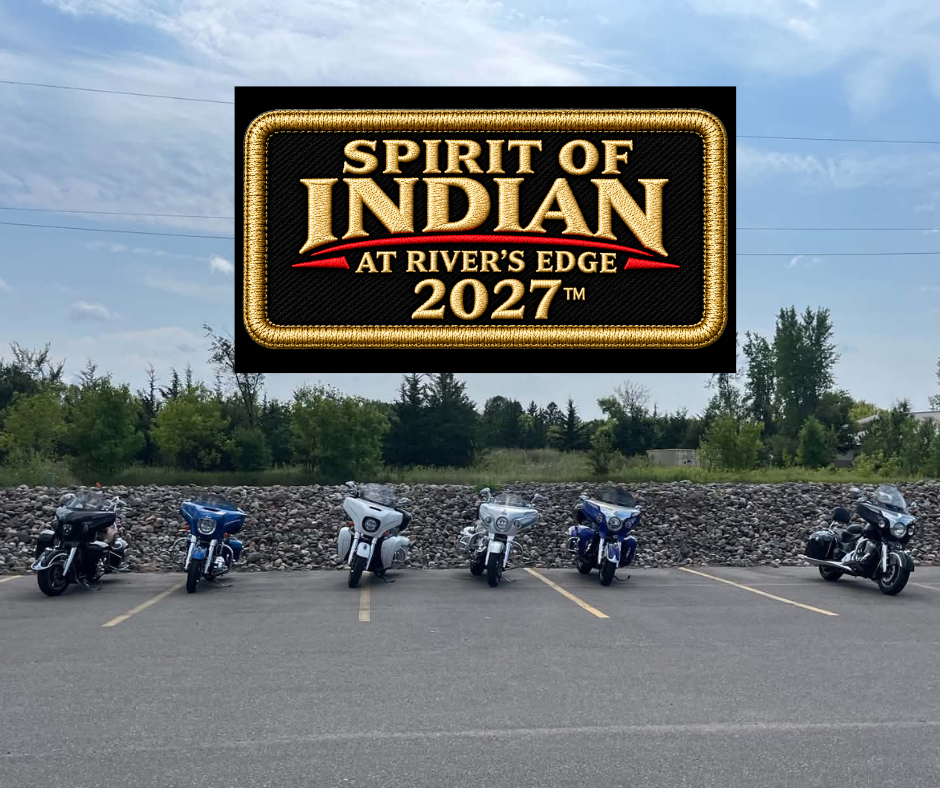
An family friendly motorcycle rally weekend rally in Wisconsin is more than just a gathering of motorcycles. It is an experience that combines scenic rides, strong friendships, rich motorcycle heritage, and unforgettable adventures. Riders from different cities and states travel to Wisconsin each year to celebrate their passion for Indian Motorcycles while exploring some of the Midwest's most beautiful roads. Whether someone owns a classic Indian model, a modern touring bike, or simply enjoys motorcycle culture, these rallies offer something memorable for everyone.
Wisconsin's welcoming communities, winding country highways, and vibrant riding atmosphere make it one of the favorite destinations for motorcycle enthusiasts who appreciate both the journey and the destination.
A Perfect Place for Scenic Motorcycle Rides
One of the biggest reasons riders enjoy an Indian Motorcycle rally in Wisconsin is the incredible scenery. The state offers hundreds of miles of well-maintained roads that pass through forests, rolling hills, rivers, and charming small towns.
Popular riding areas often include:
-
Curvy roads through the Driftless Region
-
Scenic routes near the Mississippi River
-
Forest highways in northern Wisconsin
-
Lakeside roads with peaceful waterfront views
These routes allow riders to fully appreciate the comfort and performance of their Indian Motorcycles while enjoying fresh air and beautiful landscapes.
Celebrating Indian Motorcycle Heritage
Indian Motorcycle has one of the longest and richest histories in American motorcycling. At Wisconsin rallies, riders proudly celebrate that heritage by showcasing motorcycles from different generations.
Visitors often enjoy seeing:
-
Vintage Indian Motorcycles
-
Restored classic models
-
Modern touring motorcycles
-
Custom-built Indian bikes
These displays create opportunities for riders to learn about the brand's evolution while appreciating the craftsmanship behind every motorcycle.
Meeting Like-Minded Riders
Perhaps the greatest attraction of any Indian Motorcycle rally is the sense of community. Riders quickly discover that everyone shares a common passion for motorcycles and adventure.
Conversations often begin with simple questions about someone's bike and naturally grow into discussions about:
-
Favorite road trips
-
Motorcycle maintenance
-
Riding gear
-
Future travel plans
-
Memorable rally experiences
Many lifelong friendships begin during these casual conversations, making the event feel welcoming even for first-time attendees.
Organized Group Rides
Group rides are one of the highlights of an Indian Motorcycle rally in Wisconsin. Riding alongside dozens or even hundreds of fellow enthusiasts creates an exciting and unforgettable experience.
These organized rides usually feature:
-
Planned scenic routes
-
Safety briefings
-
Rest stops
-
Photo opportunities
-
Local attractions along the way
Riding together allows participants to enjoy Wisconsin's beautiful roads while feeling part of a larger riding community.
Discovering Wisconsin's Small Towns
Many rally routes pass through charming Wisconsin communities that warmly welcome visiting riders. These towns often become memorable parts of the experience.
Riders frequently stop to enjoy:
-
Local restaurants
-
Coffee shops
-
Ice cream stands
-
Historic downtown districts
-
Friendly conversations with residents
Supporting local businesses adds another enjoyable dimension to the trip while allowing visitors to experience Wisconsin's hospitality.
Motorcycle Exhibits and Custom Builds
Motorcycle enthusiasts love examining unique bikes, and Wisconsin rallies rarely disappoint. Custom builds often attract large crowds because every motorcycle tells its own story.
Popular features include:
-
Custom paint designs
-
Performance upgrades
-
Touring accessories
-
Vintage restorations
-
Creative personalization
These exhibits inspire owners who may want to customize their own Indian Motorcycle in the future.
Entertainment Beyond Riding
While riding remains the main attraction, many rallies also offer entertainment that keeps the excitement going throughout the event.
Activities may include:
-
Live music
-
Vendor marketplaces
-
Food trucks
-
Motorcycle demonstrations
-
Community gatherings
These attractions create a festival atmosphere where riders can relax after spending hours on the road.
Learning From Experienced Riders
An Indian Motorcycle rally brings together riders with decades of experience. Newer riders often appreciate the opportunity to learn practical advice from longtime enthusiasts.
Helpful topics frequently discussed include:
-
Touring preparation
-
Motorcycle maintenance
-
Safe riding techniques
-
Long-distance comfort tips
-
Weather planning
This exchange of knowledge strengthens the riding community while helping newer participants become more confident on the road.
Comfortable Touring Experience
Many Indian Motorcycles are designed with long-distance comfort in mind, making Wisconsin's extended scenic routes especially enjoyable.
Features riders appreciate include:
-
Comfortable seating
-
Smooth highway performance
-
Spacious storage
-
Stable handling
-
Relaxed riding position
These qualities allow participants to spend full days exploring Wisconsin without feeling overly fatigued.
Creating Lasting Memories
For many attendees, an Indian Motorcycle rally becomes more than a weekend event. It becomes a collection of memorable experiences shared with friends, family, and fellow riders.
Common memories include:
-
Sunrise rides
-
Group photographs
-
Scenic overlooks
-
Evening conversations
-
Discovering new favorite roads
Many riders return year after year because every rally offers fresh experiences while preserving the welcoming atmosphere they enjoy.
Celebrating Indian Motorcycle Heritage
0
Wisconsin offers a unique combination of natural beauty, excellent riding roads, and a strong motorcycle culture that makes every rally feel special. The state's diverse landscapes provide enough variety to keep every ride interesting, while friendly communities help create an inviting environment for visitors.
Whether someone is attending their first motorcycle rally or has participated in many events over the years, Wisconsin provides an ideal setting for celebrating the freedom of the open road.
Celebrating Indian Motorcycle Heritage
1
Riders enjoy attending an Indian Motorcycle rally in Wisconsin because it offers far more than motorcycles alone. The event combines scenic rides, historic appreciation, strong friendships, exciting entertainment, and unforgettable adventures across some of the Midwest's most beautiful roads. From exploring winding country highways to sharing stories with fellow enthusiasts, every moment contributes to an experience that captures the true spirit of motorcycling. It is this combination of community, heritage, and adventure that keeps riders returning to Wisconsin year after year.
Key Requirements for Becoming University Staff

Becoming a university staff member can be a rewarding career choice for people who enjoy education, organization, communication, and supporting students or academic teams. Universities employ professionals in many different areas, including administration, admissions, student services, finance, human resources, libraries, information technology, research support, and campus operations. Because these roles vary significantly, the requirements for becoming university staff depend on the position and institution. However, several qualifications and personal qualities are commonly valuable for aspiring candidates.
Understanding University Staff Roles
The first step is to understand what university staff members actually do. Unlike faculty members, who generally focus on teaching and academic research, university staff often support the institution's daily operations and services.
Staff positions may include:
- Admissions officers
- Student support coordinators
- Administrative assistants
- Academic program coordinators
- Library professionals
- Human resources staff
- Finance and accounting professionals
- IT support specialists
- Research administrators
- Campus services employees
Learning about these career paths helps candidates identify positions that match their education, interests, and experience.
Educational Qualifications
Educational requirements vary according to the position. Entry-level administrative roles may require a high school diploma, associate degree, or bachelor's degree, while specialized positions can require advanced qualifications.
A bachelor's degree in areas such as business administration, education, communications, human resources, finance, information technology, or a related discipline can provide a useful foundation. Some professional roles may require master's degrees, certifications, or specialized training.
Candidates should carefully review job descriptions because universities normally specify the required education and preferred qualifications for each vacancy.
Relevant Work Experience
Experience is another important requirement for university staff positions. Employers may value previous experience in administration, customer service, education, office management, student support, or another relevant field.
Internships, volunteer work, temporary positions, and part-time employment can also help candidates develop practical experience. For example, someone interested in university admissions could gain useful experience through customer service or administrative work that involves handling records and communicating with people.
Experience demonstrates that an applicant can manage responsibilities in a professional environment.
Communication Skills
Strong communication is essential in university workplaces. Staff members regularly interact with students, faculty, parents, administrators, visitors, and external organizations.
Candidates should be comfortable writing professional emails, preparing documents, explaining procedures, answering questions, and communicating information clearly. Listening skills are equally important because staff members often need to understand individual concerns before providing appropriate assistance.
Organizational Abilities
大学職員への道 environments can involve multiple deadlines, meetings, records, and projects. Good organizational skills help staff members manage these responsibilities efficiently.
Aspiring university employees should learn how to prioritize tasks, maintain accurate records, schedule appointments, and meet deadlines. Familiarity with digital calendars, spreadsheets, document management systems, and other workplace tools can also be beneficial.
Technology Proficiency
Modern universities rely heavily on technology. Staff members may use student information systems, learning platforms, databases, communication software, spreadsheets, and specialized administrative programs.
Basic computer literacy is therefore important for most positions. Candidates app for technology-related roles may need much more advanced technical knowledge, depending on the job.
Developing confidence with common office applications and digital communication tools can make applicants more competitive.
Professionalism and Reliability
Universities need employees who can handle sensitive information, communicate respectfully, and follow institutional policies. Professionalism includes punctuality, responsibility, appropriate workplace behavior, and attention to confidentiality.
Reliability is especially important in roles involving student records, financial information, academic documentation, or administrative processes.
Understanding the University Environment
A candidate can benefit from learning how universities operate. Understanding departments, student services, academic programs, admissions procedures, and administrative structures can help applicants prepare for interviews and workplace responsibilities.
Researching a university before app can also demonstrate genuine interest in the institution.
Preparing a Strong Application
A well-prepared resume and cover letter can help highlight relevant qualifications. Candidates should focus on achievements, transferable skills, education, and experiences that relate directly to the advertised position.
During interviews, applicants should be prepared to discuss how they handle organization, communication, problem-solving, teamwork, and challenging situations.
Building a Long-Term Career
Becoming university staff is not simply about meeting the minimum requirements for one job. Continuous professional development can help employees advance into supervisory, managerial, or specialized positions.
Attending workshops, earning certifications, developing technical skills, and gaining experience in different university departments can contribute to long-term career development.
Educational Qualifications
0
The requirements for becoming university staff depend on the specific position, but education, relevant experience, communication, organization, technology skills, and professionalism are widely useful. By understanding different university careers and developing qualifications that match their chosen field, candidates can prepare themselves for meaningful opportunities within higher education.
Best SMM Panel for Flexible Social Media Campaign Management
Managing social media campaigns has become an essential part of modern digital marketing. Whether you are a business owner, content creator, marketing agency, or freelancer, handling multiple social media accounts requires planning, consistency, and the right tools. A Best SMM Panel can make campaign management more organized by offering a centralized platform for managing various social media marketing activities efficiently.
Flexibility is one of the most important features of a high-quality SMM panel. Every campaign has different goals, audiences, and timelines, so marketers need solutions that can adapt to changing strategies. Choosing a flexible SMM panel allows users to create customized campaigns while saving valuable time and effort.
Why Flexibility Matters in Social Media Marketing
Social media trends change quickly. A campaign that works well today may need adjustments tomorrow. Marketers often have to modify content schedules, target different audiences, or increase promotional efforts based on campaign performance.
A flexible SMM Smm Panel helps users respond to these changes without disrupting their overall marketing plan. Instead of switching between multiple platforms, marketers can manage different services from one dashboard while keeping campaigns organized.
Features That Support Flexible Campaign Management
The Best SMM Panel should provide features that allow users to adapt their campaigns according to their goals.
Easy Dashboard Navigation
A clean and user-friendly dashboard makes campaign management much simpler. Users can quickly view active campaigns, monitor progress, and organize multiple projects without unnecessary complications.
Multiple Platform Support
Many marketers work across several social media platforms, including Instagram, Facebook, TikTok, YouTube, and X. Managing everything from a single location helps improve workflow and reduces the time spent switching between different tools.
Campaign Customization
Every campaign has unique objectives. Some focus on brand awareness, while others aim to increase engagement or support product launches. A flexible SMM panel allows users to organize campaigns according to their specific marketing plans.
Benefits for Different Types of Users
Businesses
Businesses can manage seasonal promotions, product launches, and brand awareness campaigns more efficiently with an organized system.
Marketing Agencies
Agencies often handle multiple client accounts at the same time. A centralized panel makes it easier to keep campaigns separated while maintaining consistent management.
Content Creators
Influencers and creators can organize promotional activities alongside their regular content schedules, helping them maintain a steady online presence.
Freelancers
Freelance marketers benefit from streamlined workflows that allow them to manage client projects more efficiently.
Managing Multiple Campaigns Efficiently
One of the biggest challenges in social media marketing is handling several campaigns simultaneously. A flexible SMM panel makes this process more manageable by allowing users to organize campaigns according to different priorities.
For example, a business might run:
-
A product launch campaign
-
A seasonal promotion
-
A customer engagement campaign
-
A brand awareness campaign
Keeping these campaigns organized from one platform reduces confusion and improves overall efficiency.
Time-Saving Advantages
Manual campaign management can consume a significant amount of time. A well-designed SMM panel helps simplify routine tasks, allowing marketers to focus on content creation and strategy rather than repetitive processes.
Some time-saving benefits include:
-
Faster campaign organization
-
Easier account management
-
Centralized campaign tracking
-
Simplified workflow management
These improvements help marketers stay productive while maintaining consistent social media activity.
Adapting to Changing Marketing Goals
Marketing objectives rarely remain the same throughout an entire campaign. New trends, audience behavior, and business priorities often require adjustments.
A flexible SMM panel makes it easier to adapt without starting over. Users can reorganize campaigns, adjust their promotional plans, and maintain better control over their overall marketing efforts.
Choosing the Right Features
When selecting the Best SMM Panel, flexibility should remain a top priority. Consider features that support long-term marketing success rather than focusing only on short-term convenience.
Important qualities include:
-
Simple dashboard
-
Multiple platform support
-
Organized campaign management
-
Reliable performance
-
Responsive customer support
-
Clear pricing structure
These features contribute to a smoother marketing experience.
Improving Overall Marketing Organization
Successful social media marketing depends on organization as much as creativity. Even great content can lose effectiveness if campaigns become difficult to manage.
Using a centralized SMM panel allows marketers to maintain better control over their activities while keeping different projects properly organized.
Conclusion
The Best SMM Panel for flexible social media campaign management helps businesses, agencies, creators, and freelancers organize their marketing activities more efficiently. By offering centralized management, customizable campaign organization, multiple platform support, and a user-friendly dashboard, a flexible panel simplifies the process of handling changing marketing strategies. Choosing a reliable and adaptable solution allows marketers to manage campaigns confidently while maintaining a consistent and professional social media presence.

