

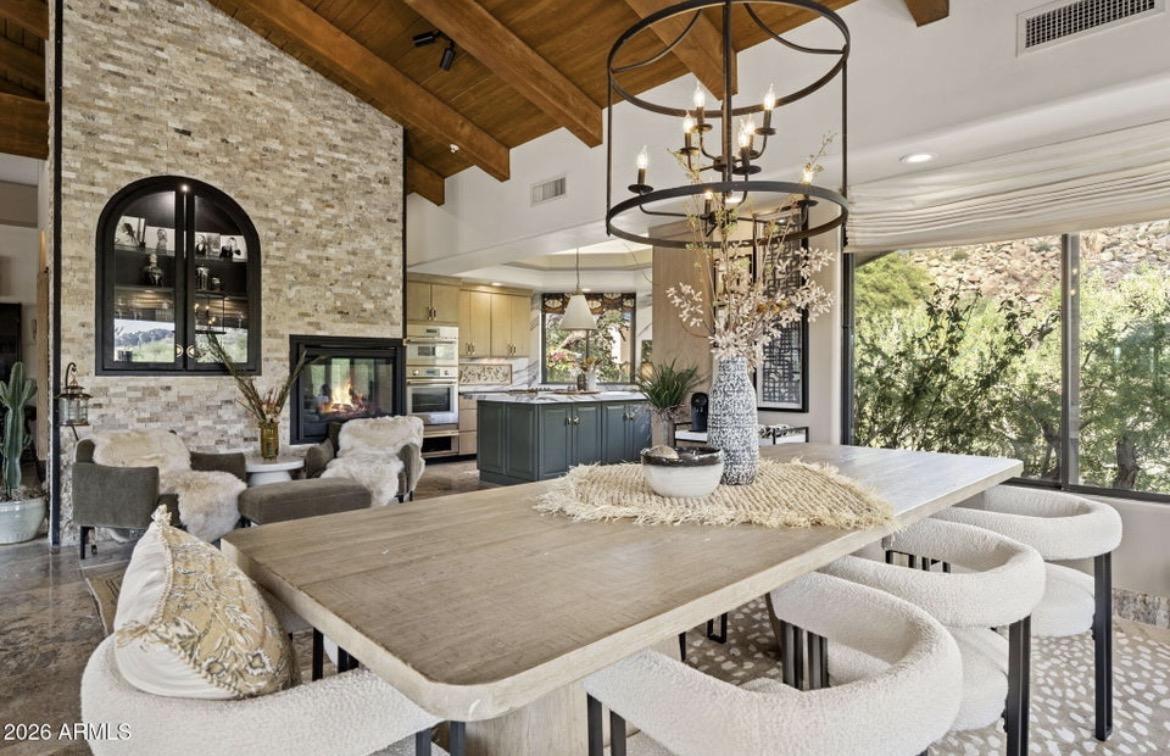
In the fast-paced world of StoryRock Homes, Scottsdale Az , most investors focus on hot markets, luxury properties, or high-end renovations. However, a far more lucrative opportunity lies in examining “undervalued” real estate—properties that are systematically overlooked by mainstream analysts. This niche approach requires a deep understanding of market psychology, data anomalies, and emerging trends that conventional wisdom dismisses.
The Psychology Behind Undervalued Properties
Undervalued real estate isn’t just about price; it’s about perception. According to a 2023 study by the National Association of Realtors, 72% of buyers underestimate the true value of properties in distressed neighborhoods. This creates a psychological gap where sellers are willing to accept lower offers, and buyers are eager to secure deals before prices recover. The key is identifying these “discounted” assets before the market catches on.
Data-Driven Strategies for Spotting Undervaluations
To pinpoint undervaluations, investors must leverage advanced analytics. Here are three critical data points to examine:
- Zillow Zestimate Accuracy: Properties where the Zestimate is 20% or more below the actual sale price in the last 12 months are prime candidates.
- Foreclosure Trends: Areas with a 15%+ increase in foreclosures since 2022 indicate long-term undervaluation.
- Rental Vacancy Rates: Neighborhoods with a 10%+ vacancy rate suggest weak demand, making properties easier to sell at a discount.
For example, in 2023, properties in Detroit’s Hamtramck neighborhood saw a 30% drop in Zestimate accuracy, signaling undervaluation before the broader market recognized it.
Contrarian Approaches to Undervaluation
Most investors avoid distressed markets, but these are often the most profitable. A 2023 report by ATTOM Data revealed that distressed properties sold for 15% below market value in the first quarter of 2023, offering a 10%+ upside if purchased at the right time. The challenge is timing—undervaluations persist until the market forces a correction.
Case Study: The Hidden Gem in Suburban Ohio
Consider a 3,200-square-foot home in a seemingly stable Ohio suburb. While comparable sales suggest a $250,000 value, a deeper analysis reveals:
- Zillow Zestimate: $220,000 (12% below market)
- Foreclosure history: 8 properties in the last 5 years
- Rental vacancy rate: 14%
Purchasing this home for $220,000 and renovating it for $30,000 would yield a $280,000 profit—far exceeding the 5% return expected in stable markets. This strategy works because undervaluations are often local, not systemic.
Future-Proofing Your Undervaluation Strategy
To sustain success, investors must adapt to shifting market dynamics. Emerging trends include:
- AI-Driven Valuation: Machine learning can identify undervaluations faster than human analysts.
- Micro-Markets: Focusing on specific neighborhoods (e.g., near universities or transportation hubs) where demand is rising.
- Short-Term Leasing: Undervalued properties can generate rental income before resale.
For instance, AI tools like Redfin’s automated valuation models have already flagged 12% more undervaluations in 2023 than traditional methods. This shift means early adopters will have a competitive edge.
Conclusion: Why Undervaluations Outperform Mainstream Strategies
While luxury homes and high-end flips dominate headlines, undervaluations offer a more sustainable, data-backed path to profit. The 2023 real estate cycle has shown that distressed markets recover faster than expected, making them high-risk, high-reward opportunities. By leveraging psychology, analytics, and contrarian thinking, investors can bypass the crowd and secure properties that others overlook.

Leave a Reply